



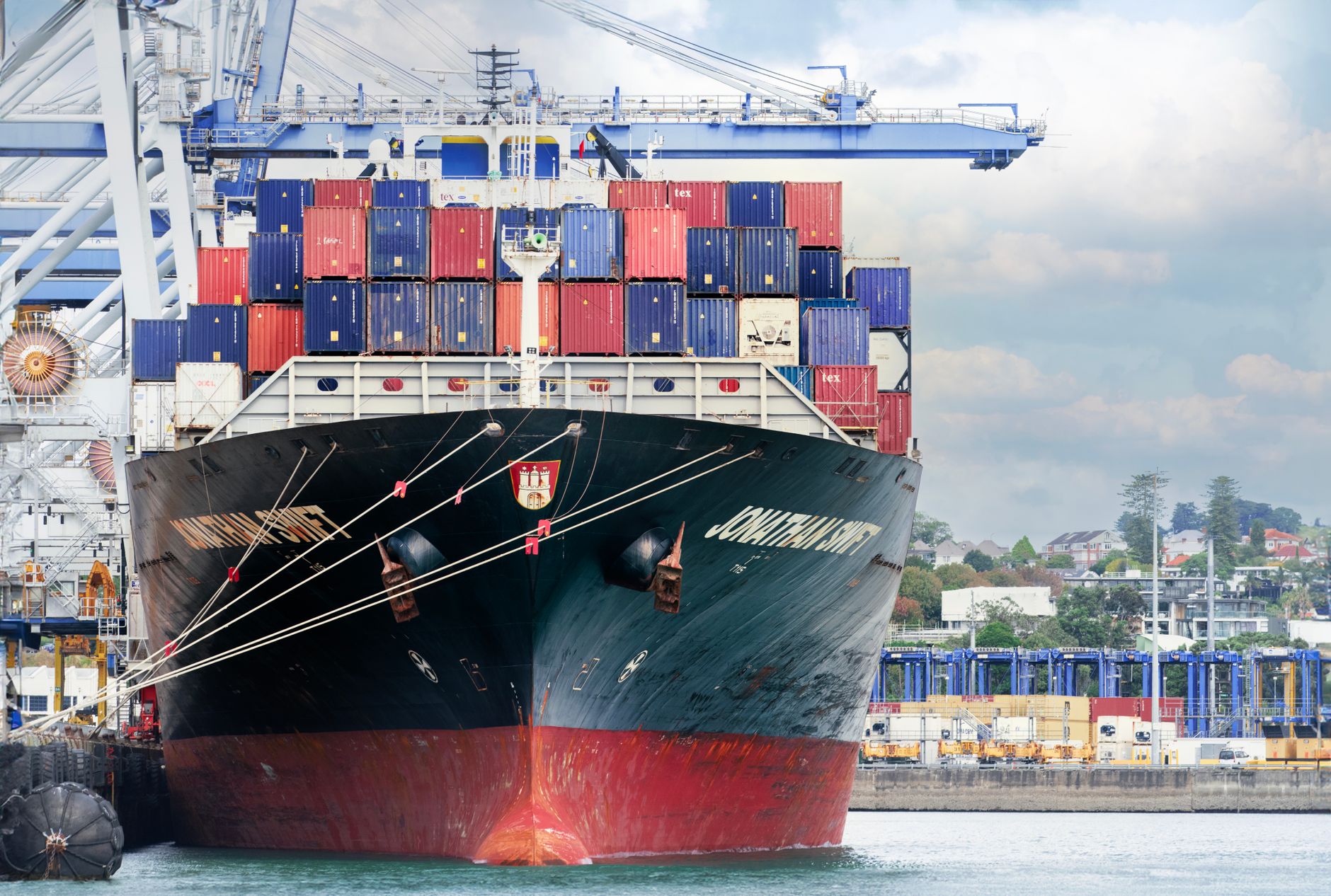
New Zealand India FTA is a significant development in international trade, enhancing economic ties between New Zealand and India.
Overview of the New Zealand India FTA
The recent clearance of the India Free Trade Agreement (FTA) by the New Zealand Parliament marks a significant milestone in bilateral relations between the two nations. This agreement aims to enhance trade, investment, and economic cooperation, promising clear benefits for both countries.
Key features of the New Zealand India FTA include:
- Reduction in Tariffs: The FTA is set to lower tariffs on a wide range of goods, facilitating easier access to markets.
- Increased Export Opportunities: New Zealand exporters can look forward to expanded market reach in India’s growing economy.
- Strengthened Investment Ties: The agreement encourages bilateral investment, fostering partnerships in various sectors.
- Cultural Exchange: Enhanced trade relations are expected to promote cultural ties and cooperation between the two nations.
Overall, the New Zealand India FTA represents a significant step forward in enhancing economic collaboration and trade growth.
Key Benefits of the Agreement
The newly ratified New Zealand India FTA is set to bring significant advantages to both nations, fostering enhanced trade relations. This agreement is expected to yield a variety of benefits, including:
- Increased Market Access: Businesses in both countries will gain greater access to each other’s markets, allowing for expanded trade opportunities.
- Reduction of Tariffs: The FTA will lead to the reduction or elimination of tariffs on numerous goods, making exports more competitive.
- Investment Growth: The agreement encourages bilateral investments, stimulating economic development in both regions.
- Strengthened Bilateral Relations: By deepening ties, the FTA fosters a closer partnership between New Zealand and India.
Overall, the New Zealand India FTA is a pivotal step towards promoting trade growth and boosting economic collaboration between the two countries.
Impact on Trade Relations
The recent approval of the New Zealand India FTA is set to significantly enhance trade relations between the two nations. This agreement aims to reduce tariffs and promote smoother trade processes, which will benefit various sectors.
Both countries are expected to experience growth in exports and imports, leading to increased economic cooperation. The FTA will particularly impact:
- Agriculture: New Zealand’s dairy and meat products will gain better access to the Indian market.
- Information Technology: Indian IT firms will find it easier to establish operations in New Zealand, fostering collaboration.
- Education: Enhanced opportunities for New Zealand institutions to attract Indian students, boosting knowledge exchange.
Overall, the New Zealand India FTA is poised to forge stronger ties and create a more interconnected economic landscape for both countries.
Legal Implications of the FTA
The legal implications of the New Zealand India FTA are significant for both countries, providing a structured framework for trade relations. This agreement not only facilitates smoother trade processes but also ensures compliance with international law.
One of the primary legal aspects is the establishment of dispute resolution mechanisms, designed to address potential conflicts arising from trade practices. These mechanisms are crucial for maintaining a stable trading environment, allowing businesses from both nations to operate with greater confidence.
Furthermore, the FTA includes provisions that protect intellectual property rights, which is vital for fostering innovation and creativity. By safeguarding these rights, the New Zealand India FTA encourages collaboration and knowledge sharing between the two nations.
In summary, the legal framework established by the FTA is essential for promoting sustainable trade growth and ensuring that both New Zealand and India can reap the benefits of this historic partnership.
What Businesses Need to Know
As the New Zealand India FTA takes effect, businesses must prepare to leverage the opportunities presented by this trade agreement. Here are some key points to consider:
- Understanding Tariff Reductions: Companies should familiarize themselves with the specific goods and services that will see reduced tariffs, enhancing cost competitiveness.
- Market Access: The agreement opens doors to the Indian market, allowing New Zealand businesses to expand their reach and explore new customer bases.
- Compliance Requirements: It’s essential for businesses to ensure compliance with both countries’ regulations to avoid potential penalties or trade barriers.
- Networking Opportunities: Engage with local trade associations and chambers of commerce to build connections and navigate the Indian market effectively.
In summary, understanding the New Zealand India FTA is crucial for businesses looking to thrive in a more integrated economic landscape.
Future Prospects for New Zealand and India
The future prospects for New Zealand and India following the recent approval of the New Zealand India FTA appear promising. Both nations stand to gain significantly from enhanced trade relations, which are expected to foster economic growth and diversification.
As businesses prepare to navigate the new landscape created by the FTA, several key areas will likely see substantial development:
- Increased Market Access: New Zealand exporters can expect reduced tariffs on a wide range of products, making their goods more competitive in the Indian market.
- Investment Opportunities: The FTA is anticipated to encourage bilateral investments, particularly in sectors like technology and agriculture.
- Cultural Exchange: Enhanced trade may lead to greater collaboration and understanding between the two nations, fostering stronger cultural ties.
Overall, the New Zealand India FTA represents a significant step forward, positioning both countries for future economic prosperity.
Reactions from Lawmakers
Reactions from lawmakers regarding the New Zealand India FTA have been largely positive, highlighting the potential for enhanced trade relations between the two nations. Members of Parliament expressed optimism about the agreement, noting its capacity to strengthen economic ties and create job opportunities.
- Minister of Trade and Export Growth: “The New Zealand India FTA is a significant step forward for our exporters, providing greater access to one of the world’s fastest-growing markets.”
- Opposition Leader: “While we welcome the benefits of this agreement, it’s essential to ensure that our local industries are not adversely affected.”
- Green Party Representative: “We must approach this FTA with caution, emphasizing sustainable trade practices and environmental considerations.”
Overall, the consensus among lawmakers is that the New Zealand India FTA stands to offer clear benefits for trade growth, fostering a more robust economic partnership.
Conclusion on Trade Enhancement
In conclusion, the New Zealand India FTA presents significant opportunities for enhancing trade relations between the two nations. The agreement is poised to streamline trade processes, reduce tariffs, and foster a more dynamic economic partnership. As both countries work to implement the provisions of the FTA, businesses can expect a more favorable environment for cross-border trade.
Moreover, the FTA is anticipated to boost various sectors, including agriculture, technology, and services, leading to job creation and economic growth. The commitment from both governments to support this agreement reflects a shared vision for mutual prosperity.
As stakeholders prepare to navigate the new trade landscape, understanding the implications of the New Zealand India FTA will be crucial. In summary, this agreement not only strengthens diplomatic ties but also lays a foundation for sustainable economic advancement.
Photo by Miguel Cuenca on Pexels