



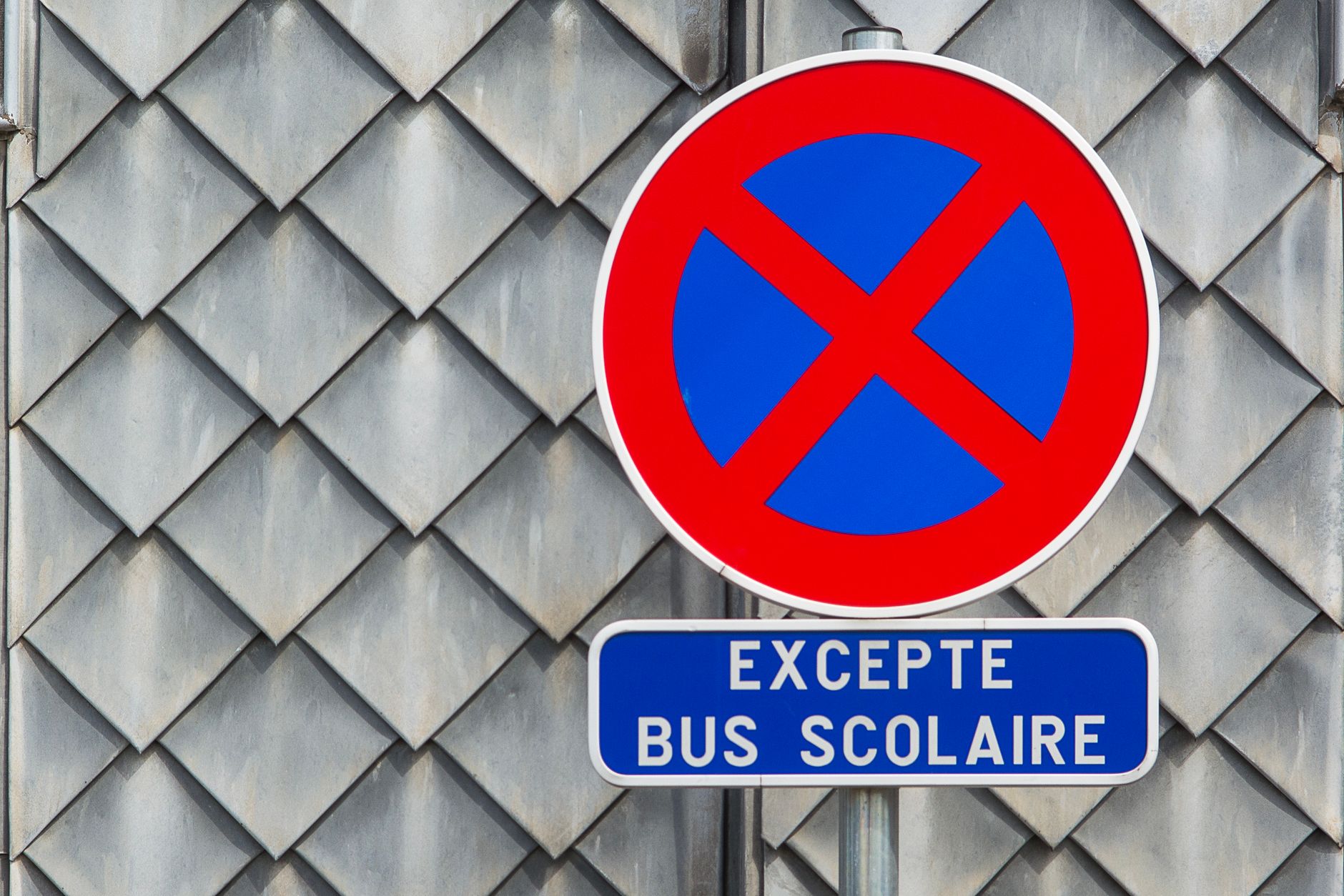
French-language laws are at the forefront of discussions as Élections Québec requested the government to implement significant changes in 2023.
Overview of French-language laws
The landscape of French-language laws in Québec has been a topic of significant discussion and scrutiny in recent years. These laws are designed to protect and promote the French language within the province, ensuring that it remains a vital part of Québec’s cultural identity.
In 2023, Élections Québec urged the government to consider revising these French-language laws to better reflect the needs of a diverse population. The call for change stems from concerns that existing regulations may not adequately support the French-speaking community while also accommodating the rights of non-French speakers.
Some of the proposed changes include:
- Enhanced educational provisions: Increasing access to French-language education for all residents.
- Business regulations: Streamlining processes for businesses to operate in both French and English, without compromising language standards.
- Community initiatives: Supporting programs that promote bilingualism and cultural exchange.
As Québec looks towards a more inclusive future, the evolution of French-language laws will play a crucial role in shaping the province’s identity and ensuring that it remains a welcoming place for all its residents.
Current state of language policy
The current state of language policy in Québec is a topic of significant debate, particularly regarding the effectiveness of French-language laws. Over the years, these laws have aimed to protect and promote the use of French in various sectors, including education, business, and public services. However, recent discussions have highlighted areas where these regulations may need to be reassessed.
In 2023, Élections Québec urged the government to consider reforms that could enhance the existing framework of French-language laws. This push for change is driven by a growing concern that certain provisions may not adequately reflect the needs of the province’s diverse population. Stakeholders argue that while the protection of the French language is crucial, it is equally important to ensure that these laws foster inclusivity and accessibility for all residents.
Key points in the ongoing conversation include:
- The need for more comprehensive support for French-language education.
- Balancing the promotion of French with the rights of non-French speakers.
- Addressing the technological advancements that affect language use in the workplace.
Élections Québec’s proposal
Élections Québec has recently put forth a proposal aimed at reforming the existing French-language laws to better align with the needs of a changing society. In a statement released in 2023, the organization highlighted the importance of adapting these regulations to promote inclusivity while preserving the French language’s significance in Québec.
The proposal outlines several key changes, including:
- Enhanced support for French education: Élections Québec advocates for increased funding and resources for French-language schools, ensuring that students receive a robust education in their mother tongue.
- Incentives for businesses: The proposal suggests offering tax breaks or subsidies to companies that actively promote the use of French in the workplace, encouraging a bilingual environment that respects linguistic diversity.
- Strengthening enforcement measures: To ensure compliance with French-language laws, Élections Québec calls for stricter penalties for businesses that neglect their obligations regarding language usage.
By addressing these key areas, Élections Québec believes that the proposed changes to French-language laws will not only safeguard the French language but also foster a more inclusive cultural landscape in Québec.
Impact on citizens
The impact of French-language laws in Québec is significant, influencing various aspects of daily life for citizens. These laws are designed not only to protect the French language but also to promote its use in public spaces and institutions. As such, they affect education, employment, and access to services.
In education, French-language laws ensure that students receive instruction in French, which can foster a strong sense of identity and cultural belonging. However, this can also create challenges for non-French speaking families who may find it difficult to navigate the system.
In the workplace, businesses are required to operate in French, which can impact hiring practices and job opportunities for those who do not speak the language fluently. This has led to concerns about inclusivity and workforce diversity.
Furthermore, access to services such as healthcare and legal assistance can be complicated by language barriers. Citizens may struggle to communicate effectively, which can hinder their ability to receive timely and appropriate care.
Overall, the proposed changes to French-language laws could reshape these dynamics, aiming for a balance between preserving the French language and ensuring accessibility for all citizens.
Government’s response
The government has responded to the recent push for changes to French-language laws by emphasizing its commitment to protecting the French language while also considering the needs of diverse communities. In light of Élections Québec’s proposal, officials have initiated discussions aimed at evaluating existing regulations and exploring potential reforms.
During a press conference, the Minister of Language Policy stated, “We recognize the importance of French as a cornerstone of our identity, but we must also ensure that all Quebecers feel included and respected.” This statement signaled a willingness to adapt current language policies to better reflect the realities of a multicultural society.
Key points from the government’s response include:
- The formation of a task force to review the impact of French-language laws on various communities.
- Plans for public consultations to gather feedback from citizens about their experiences with language regulations.
- A commitment to promoting French education and resources while considering the multilingual needs of the province.
As discussions progress, many are hopeful that the government will find a balance that honors Québec’s linguistic heritage while fostering inclusivity.
Historical context of language laws
The historical context of French-language laws in Québec is crucial to understanding the current debates surrounding language policy. In the 1970s, the adoption of Law 101, also known as the Charter of the French Language, marked a significant shift in the province’s approach to language. This legislation aimed to promote the French language as the primary language of government and education, reflecting the aspirations of the French-speaking majority.
Over the years, modifications to these laws have been influenced by various sociopolitical factors, including demographic changes and the rise of multiculturalism. As Québec’s population became more diverse, discussions about the balance between protecting the French language and accommodating other languages intensified.
Significant events, such as the 1995 referendum on sovereignty, also played a role in shaping public perception and policy regarding French-language laws. With increasing concerns about the viability of the French language in the face of globalization and immigration, recent proposals, including those from Élections Québec, have reignited the debate about how best to adapt these laws for future generations.
Ultimately, the evolution of French-language laws reflects the ongoing struggle to maintain cultural identity while fostering inclusivity in a changing society.
Future implications for Québec
The future implications for Québec regarding the recent discussions on French-language laws are significant and multifaceted. As the government considers the proposals put forth by Élections Québec, the potential for a shift in policy could reshape the linguistic landscape of the province.
One of the key considerations is the impact on education. If new regulations are enacted, educational institutions may need to adapt their curriculums to prioritize French language instruction, ensuring that future generations are proficient in the language. This could enhance cultural identity and promote unity among Quebecers.
Moreover, the business sector may experience changes as well. Companies may be encouraged or required to conduct operations in French, fostering a more inclusive environment for employees and customers alike. This shift could lead to economic growth, as businesses that embrace French-language laws may attract a broader customer base.
Ultimately, the direction taken by the government will play a crucial role in determining how effectively the French language is preserved and promoted in Québec. Stakeholders must engage in constructive dialogue to balance the needs of various communities while maintaining the province’s rich linguistic heritage.
Photo by Jan van der Wolf on Pexels