
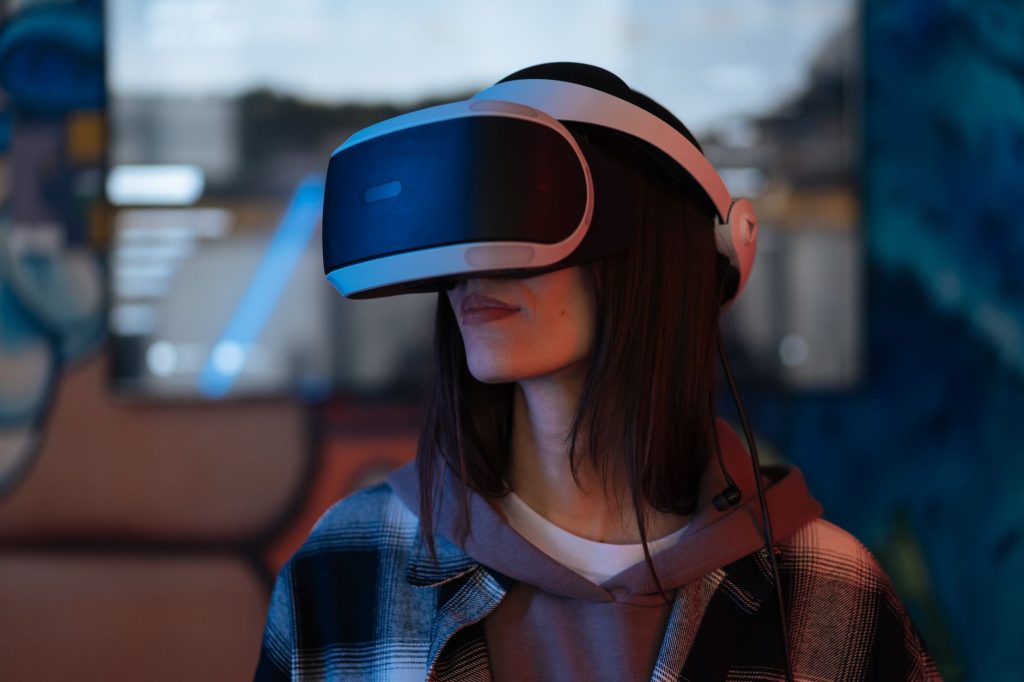
Generative AI in gaming has sparked debates in the industry, especially with Big Walk studio’s recent revelation about its use in their hit 2026 game. This raises questions about the impact of AI on game development.
Understanding Generative AI in Gaming
Generative AI in gaming has emerged as a revolutionary tool that can significantly enhance the creative process for developers. This technology leverages algorithms to create content, from character designs to entire game worlds, allowing for a more dynamic and immersive gaming experience. The increasing adoption of generative AI has sparked discussions about its role and effectiveness in the development process.
Big Walk studio, known for its hit game released in 2026, recently disclosed that they utilized generative AI “sparingly” during development. This cautious approach highlights a growing concern among developers regarding the balance between innovative technology and traditional design methods. While generative AI in gaming offers remarkable possibilities, the challenge lies in integrating it effectively without compromising the artistic vision.
- Content Creation: Generative AI can automate repetitive tasks, freeing up developers to focus on creative aspects.
- Dynamic Environments: It allows for real-time generation of game environments, enhancing player engagement.
- Personalization: AI can tailor experiences to individual players, increasing satisfaction and retention.
As the gaming industry evolves, understanding the implications of generative AI will be crucial for developers seeking to leverage this powerful tool.
The Role of AI in Game Development
The integration of artificial intelligence in game development has opened new avenues for creativity and efficiency. Generative AI in gaming is becoming an indispensable tool for developers, allowing them to create immersive worlds and dynamic narratives with minimal manual input.
By leveraging generative AI, developers can:
- Enhance Visuals: AI algorithms can produce stunning graphics and textures, ensuring that games have a polished and professional look.
- Streamline Development: Automating repetitive tasks frees up developers to focus on more complex aspects of game design, boosting productivity.
- Create Dynamic Content: Generative AI can dynamically adjust game elements, providing players with unique experiences tailored to their choices.
- Improve Narrative Depth: AI can assist in crafting intricate storylines, allowing for branching narratives that respond to player decisions.
However, as seen with Big Walk studio’s recent project, developers are cautious about over-reliance on generative AI. They emphasize using it “sparingly,” ensuring that the human touch remains integral to the gaming experience.
Big Walk’s Approach to AI
Big Walk, a prominent game development studio, has recently opened up about its cautious integration of generative AI in gaming during the production of its highly acclaimed 2026 title. The studio emphasized that while generative AI can enhance creativity and streamline certain processes, it was used “sparingly” to maintain the integrity of the game’s narrative and player experience.
According to Big Walk’s lead developer, the team prioritized traditional game development methods, employing generative AI primarily for:
- World-building: AI-assisted generation of expansive environments that players can explore.
- Character design: Utilizing AI to brainstorm unique character traits and backgrounds.
- Dialogues: Enhancing conversations with NPCs through AI-generated suggestions while ensuring coherence with the storyline.
The studio believes that while generative AI in gaming holds significant potential, it is essential to balance its use with human creativity. This strategy has not only preserved the artistic vision but has also resonated well with players, who appreciate the handcrafted elements of the game.
Industry Reactions to AI Use
The recent revelation by Big Walk studio regarding their use of generative AI in gaming has sparked a wave of reactions within the gaming community. Many developers and industry experts have weighed in on the implications of incorporating AI technologies into game design.
Some industry insiders are optimistic about the potential of generative AI, citing its ability to enhance creativity and streamline development processes. They argue that AI can help create more immersive worlds and engaging narratives without sacrificing the artistic integrity of the games. In their view, when used correctly, generative AI can be a valuable tool for developers seeking to push the boundaries of interactive entertainment.
On the other hand, there are concerns regarding the over-reliance on AI. Critics warn that excessive use of generative AI might lead to a homogenization of game design, where unique creative visions are overshadowed by algorithm-driven trends. The debate continues as developers navigate the balance between innovation and authenticity in their projects.
- Supporters: Highlight the creative potential of AI.
- Skeptics: Fear loss of artistic uniqueness.
As the conversation evolves, the future of generative AI in gaming remains a focal point for developers and players alike.
Future of AI in Gaming
The future of AI in gaming appears to be bright as developers continue to explore the potential of generative AI in gaming. This technology not only enhances game design but also opens new avenues for creativity and innovation. As the gaming industry evolves, generative AI is expected to play an increasingly significant role in shaping immersive experiences.
One of the key advantages of generative AI is its ability to create dynamic content that adapts to player choices, leading to personalized gameplay experiences. This can result in more engaging narratives and environments, which are crucial for modern gamers who seek unique experiences in every session.
However, the integration of generative AI in gaming also raises important questions regarding originality and artistic integrity. Developers must strike a balance between leveraging AI capabilities and maintaining their creative vision.
Looking ahead, it is likely that more studios will adopt generative AI in gaming, but with a cautious approach, ensuring that it complements rather than replaces traditional design processes. As this technology advances, it will be fascinating to see how it reshapes the landscape of interactive entertainment.
Challenges with Generative AI
Despite the promising potential of generative AI in gaming, developers face several challenges that can complicate its integration into the creative process. One significant issue is the quality of output generated by AI tools. While these systems can produce vast amounts of content quickly, they often lack the nuanced creativity and emotional depth that human designers bring to their work.
Another challenge is ensuring that the use of generative AI aligns with the artistic vision of the game. Developers must carefully curate and refine AI-generated content to maintain a cohesive narrative and aesthetic. This balancing act can be time-consuming and may lead to friction between creative teams and the technology.
Additionally, there are concerns about copyright and originality. As generative AI draws from existing works to create new content, questions arise regarding ownership and the potential for unintentional plagiarism. Developers must navigate these legal complexities to avoid potential lawsuits and ensure their games stand out in a crowded market.
- Quality control of AI outputs
- Alignment with artistic vision
- Copyright and originality concerns
Photo by Mikhail Nilov on Pexels