
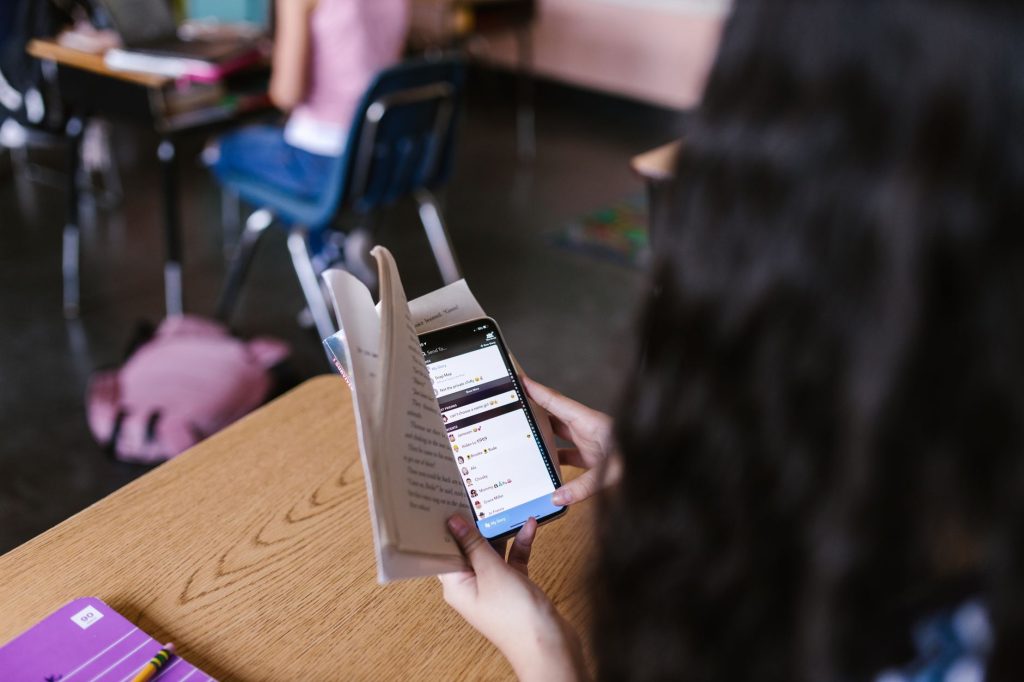
phones banned in schools is a significant change in policy aimed at enhancing student focus and safety. This new rule will affect how students manage their devices during school hours.
Overview of the New Phone Policy
In a significant move aimed at enhancing student safety and concentration, schools across England are implementing a new policy that bans phones in schools. This initiative, which prohibits pupils from carrying mobile devices in their bags or pockets, has sparked widespread discussion among educators, parents, and students alike.
The rationale behind the phones banned in schools policy is to create a more focused learning environment, free from the distractions posed by technology. Proponents of the ban argue that mobile phones can interfere with lessons, promote cyberbullying, and contribute to mental health issues among students. By removing these devices from the classroom and school grounds, educators hope to foster a more engaged and attentive student body.
However, the policy is not without its critics. Some parents express concerns about the challenges of communication and safety during emergencies. To address these worries, schools are encouraged to establish clear guidelines for when and how students can access phones, particularly in urgent situations.
In light of these developments, schools are preparing to roll out educational programs that emphasize the responsible use of technology. As this new policy takes effect, it remains to be seen how it will impact student behavior and academic performance in the long run.
Reasons Behind the Ban
The decision to implement a ban on phones in schools stems from several key concerns that educators and parents have voiced over the years. These concerns highlight the potential distractions and safety issues that arise from mobile device usage among students.
- Distraction in the Classroom: One of the primary reasons behind the ban is the distraction that phones can create during lessons. Teachers have reported that students often divert their attention to their devices rather than focusing on the curriculum.
- Cyberbullying: Another significant factor is the rise of cyberbullying. With easy access to social media and messaging apps, students may experience harassment that extends beyond the school grounds, affecting their mental health and academic performance.
- Safety Concerns: Phones can also pose safety risks. In emergency situations, the temptation to use a phone can lead to chaos, diverting attention away from necessary protocols. Banning phones can help ensure that students remain focused on safety procedures.
- Social Interaction: The ban encourages face-to-face communication among peers, fostering better social skills and relationships. Without the constant presence of phones, students can engage more meaningfully with one another.
Overall, the reasons behind the ban on phones in schools are multifaceted, aiming to create a safer and more conducive learning environment for all students.
Impact on Student Learning
The recent decision to implement a ban on phones in schools has sparked considerable debate regarding its impact on student learning. Proponents of the policy argue that restricting phone access will create a more focused educational environment, free from distractions that can hinder academic performance. By eliminating the temptation to check social media or play games, students may find themselves more engaged in classroom activities.
Moreover, teachers have noted that the presence of mobile devices often leads to disruptions during lessons. With phones banned in schools, educators can foster a more interactive and collaborative atmosphere where students are encouraged to participate actively in discussions. This policy change aims to promote better communication and interpersonal skills among students, as they will have to rely on face-to-face interactions rather than digital communication.
On the other hand, critics of the ban express concerns about the potential negative effects on students’ social development. They argue that phones serve as essential tools for connectivity and can provide students with valuable information when used appropriately. As schools navigate this new rule, it will be crucial to find a balance that prioritizes safety while also considering the diverse needs of learners.
Overall, the impact of phones banned in schools will depend on the implementation of supportive measures and the willingness of both students and educators to adapt to this significant policy shift.
Reactions from Parents and Teachers
The recent decision to implement a ban on phones in schools has sparked a variety of reactions from parents and teachers across the country. Many parents have expressed their support for the new policy, believing that phones banned in schools will lead to a more focused learning environment. Jane Smith, a parent of two school-age children, stated, “It’s about time we took a stand against distractions. My kids come home saying they can’t concentrate because everyone is glued to their phones.”
Conversely, some parents have raised concerns about the potential drawbacks of such a ban. Mark Johnson, another parent, mentioned, “What if there’s an emergency? Kids need to have a way to contact us.” This sentiment resonates with a number of families who worry about accessibility and communication.
Teachers have also voiced their opinions on the matter. Emily Carter, a high school teacher, noted, “While I understand the reasoning behind the phones banned in schools, we need to consider how to support students in developing self-regulation skills.” Others agree that removing phones might promote better classroom engagement, but emphasize the importance of teaching responsible phone use rather than simply prohibiting it.
Ultimately, the debate continues as parents and educators navigate the complexities of modern technology in education.
Comparative Analysis with Other Countries
In recent years, the debate over phones banned in schools has gained traction globally, with various countries implementing distinct policies to manage mobile device usage among students.
For instance, France has adopted a strict nationwide ban on smartphones in schools for students aged 3 to 15. This policy aims to reduce distractions and promote face-to-face interactions among students. Following the implementation, many educators noted an improvement in classroom engagement and social skills.
Similarly, Australia has seen several states introduce policies that restrict phone usage during school hours. Schools in New South Wales, for instance, have enforced measures where phones must be kept in lockers until the end of the school day. According to reports, this has led to a more focused learning environment, with fewer incidents of cyberbullying and distractions.
On the other hand, Japan takes a different approach, allowing phones but emphasizing responsible usage through educational programs. Schools work with parents to instill a sense of discipline regarding phone use, which has fostered a culture of accountability among students.
This comparative analysis illustrates that while the implementation of phones banned in schools varies, the common goal remains: to enhance student safety and learning outcomes across different educational systems.
Legal Considerations of the Ban
The recent announcement regarding the ban on phones in schools has raised various legal considerations that educators and policymakers must navigate. Schools are tasked with ensuring a safe and conducive learning environment, but implementing such a ban requires adherence to legal frameworks.
One primary concern is the right to freedom of expression. The use of phones can serve as a means of communication and self-expression for students. While schools can set rules for the learning environment, they must ensure that these regulations do not infringe upon students’ rights. Legal experts suggest that clear policies outlining the reasons for the ban, alongside potential exceptions for emergencies, could help mitigate legal challenges.
Another important aspect is the issue of equity and access. Some students rely on phones for educational purposes or to stay connected with guardians. A complete ban may disproportionately affect students from disadvantaged backgrounds. Schools need to consider alternatives, such as designated areas for phone usage during breaks, to balance safety with accessibility.
Moreover, the enforcement of the ban must be consistent and fair. School officials should develop procedures for managing violations that respect students’ dignity while maintaining order. Overall, while the initiative to ban phones in schools aims to enhance safety, it is crucial to navigate the legal implications thoughtfully.
Potential Challenges in Implementation
Despite the intentions behind the new policy to ban phones in schools, several potential challenges may arise during its implementation. These challenges could affect the efficacy of the ban and the overall school environment.
- Enforcement Issues: Many schools may struggle with consistently enforcing the ban. With varying levels of compliance among students and staff, there could be confusion and frustration regarding the rules.
- Resistance from Students: Some students may resist the policy, arguing that phones are essential for communication and safety. This pushback could lead to confrontations between students and school authorities.
- Equity Concerns: The ban may disproportionately impact students from lower-income families who rely on their phones for connectivity and access to resources. Schools must consider how to support these students in a phone-free environment.
- Alternative Solutions: Schools may need to explore alternatives for mobile phone usage, such as designated times for use or providing devices for educational purposes, to mitigate some of the challenges associated with the ban.
In conclusion, while the initiative of banning phones in schools aims to enhance safety and focus, it is crucial for educators and policymakers to address the potential hurdles to ensure a smooth transition and maintain a positive learning atmosphere.
Future of Mobile Phones in Education
The future of mobile phones in education remains a topic of extensive debate as schools across England implement stricter rules. With phones banned in schools, educators are exploring innovative ways to integrate technology without compromising student safety and focus.
One potential avenue is the adoption of educational apps and devices that can enhance learning while keeping personal smartphones out of the classroom. Schools may invest in tablets or laptops that can be monitored and controlled by teachers to minimize distractions. This shift could foster a more structured and controlled learning environment.
Another aspect to consider is the role of digital literacy in the curriculum. As mobile phones become ubiquitous, teaching students responsible usage and digital citizenship will be essential. Schools might introduce programs that educate students on the benefits and drawbacks of mobile technology, thereby preparing them for a world where digital devices are integral to daily life.
Furthermore, engaging parents in conversations about the benefits of phone bans can help bridge the gap between home and school. Parents may be encouraged to support these policies by understanding their potential for creating a more focused educational environment.
Ultimately, while the ban on phones in schools aims to enhance safety and learning, it is crucial to remain adaptable and consider how technology can be harmoniously integrated into educational practices in the future.
While some argue that phones banned in schools can hinder communication, others believe it is a necessary step to enhance focus and learning. The debate around whether phones banned in schools truly improve student safety continues to spark discussions among educators and parents alike.
Photo by RDNE Stock project on Pexels
References
You might also like
Gravity Equations: The Best Proven Ways to Release Energy · Cyera investment news: Best $300M boost for AI growth · UK migrant residency rules: Worst changes to expect now