
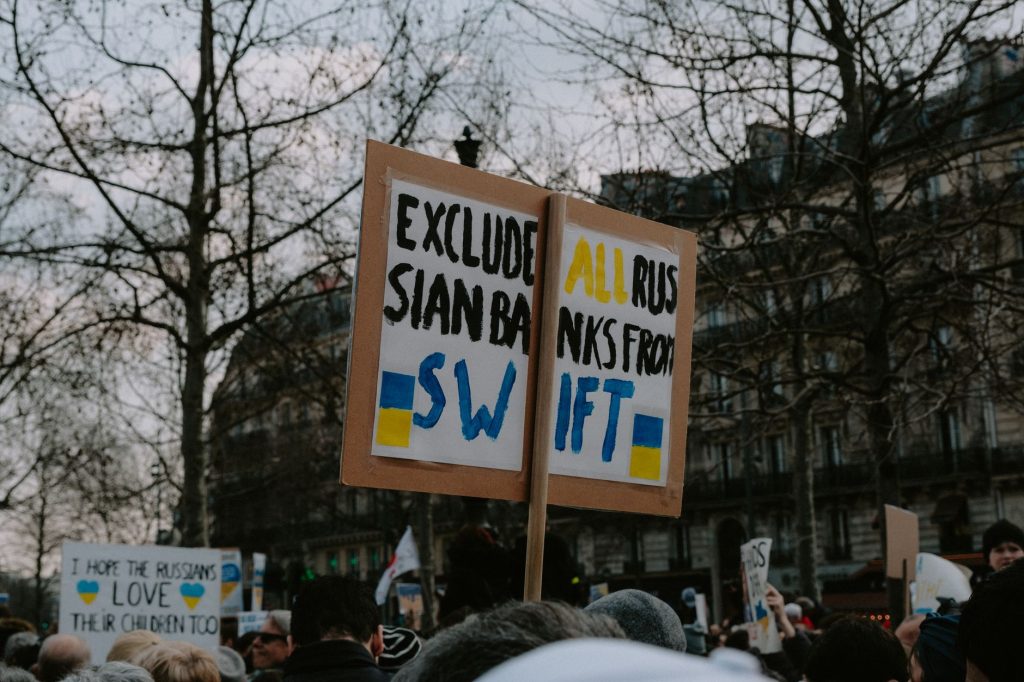
Russia waiver sanctions are at the center of a heated debate as Trump defends his order exempting tariffs on oil buyers. This development has drawn bipartisan criticism and raises important legal questions.
Understanding the Russia Waiver
The recent decision regarding the Russia waiver sanctions has stirred considerable debate among policymakers and industry experts. This waiver allows certain oil buyers to bypass previously imposed sanctions, which were designed to limit Russia’s economic power in the wake of geopolitical tensions.
Proponents of the waiver argue that it is essential for stabilizing global oil markets, especially in light of rising prices and supply chain disruptions. They claim that easing these sanctions will provide essential relief to countries heavily reliant on Russian oil, ensuring energy security while maintaining market stability.
However, critics from both sides of the political aisle have raised significant concerns. They fear that the waiver could inadvertently strengthen Russia’s position in global markets, undermining the very sanctions intended to deter its aggressive actions. Key points of contention include:
- Economic Impact: Critics argue that the waiver may lead to increased revenue for Russia, funding its military endeavors.
- Political Ramifications: The bipartisan pushback highlights the risks of appearing lenient towards a nation accused of numerous human rights violations.
- Long-Term Consequences: There are worries about the potential normalization of trade relations with Russia, which could set a dangerous precedent for future sanctions.
As the implications of the Russia waiver sanctions unfold, the global community remains divided on the best course of action to ensure both energy security and geopolitical stability.
Impact of Sanctions on Oil Buyers
The recent Russia waiver sanctions have sparked a significant debate regarding their impact on oil buyers. While the intention behind the sanctions is to exert pressure on the Russian economy, the exemptions provided to certain buyers create a complex scenario.
Many oil importers are taking advantage of the waivers, which allow them to bypass previously imposed restrictions. This has led to a range of consequences:
- Market Stability: The waivers have contributed to a temporary stabilization in global oil prices. With some buyers still able to access Russian oil without penalties, the overall supply has remained relatively steady.
- Ethical Dilemmas: Oil buyers face criticism for sourcing oil from Russia, as it raises questions about their ethical responsibilities amidst ongoing geopolitical tensions.
- Geopolitical Tensions: The sanctions, combined with the waivers, have led to increased scrutiny from various governments. Some oil buyers are now under pressure to reconsider their sourcing practices to align with international norms.
- Long-term Contracts: The uncertainty surrounding future sanctions may lead buyers to hesitate in committing to long-term contracts, potentially affecting future investments in energy infrastructure.
As the situation evolves, the balance between economic interests and geopolitical considerations will continue to influence the decisions of oil buyers in this complex landscape created by the Russia waiver sanctions.
Bipartisan Criticism Explained
The recent decision to implement a Russia waiver sanctions policy has sparked significant bipartisan criticism among lawmakers and analysts. Detractors argue that the waiver undermines the effectiveness of international sanctions aimed at curbing Russia’s aggressive actions. Many believe that exempting oil buyers from sanctions sends the wrong message to the Kremlin, potentially emboldening further aggression in the region.
Critics from both sides of the aisle have raised concerns regarding the implications of this policy on global energy markets. They argue that allowing exemptions not only weakens the United States’ credibility in enforcing sanctions but also risks increasing dependency on Russian oil. This dependency poses a threat to national security and could lead to higher fuel prices for consumers in the long run.
Furthermore, some lawmakers emphasize that this policy may create confusion among international partners who are also working to isolate Russia economically. The inconsistency in the enforcement of sanctions raises questions about the commitment of the U.S. to maintaining a united front against Russian aggression.
As the debate continues, proponents of the waiver assert that it provides necessary flexibility for oil buyers amid fluctuating global markets. However, bipartisan critics maintain that prioritizing short-term economic benefits over long-term geopolitical stability could have dire consequences for both U.S. foreign policy and global security.
Legal Implications of Trump’s Order
The legal implications of Trump’s order concerning the Russia waiver sanctions have sparked significant debate among legal experts and policymakers. Critics argue that the order undermines the integrity of existing sanctions, designed to pressure Russia over its actions in Ukraine and other geopolitical conflicts. By exempting certain oil buyers from these sanctions, the administration may be setting a precedent that weakens the overall efficacy of U.S. foreign policy.
One major concern is the potential for legal challenges. Some lawmakers believe that the order could violate both domestic and international law by prioritizing economic interests over national security concerns. This has led to calls for greater oversight and transparency regarding the criteria used to grant waivers. Legal scholars suggest that if the waivers are seen as arbitrary or lacking a solid legal foundation, they could be challenged in court, potentially leading to a protracted legal battle.
Additionally, the implications extend beyond just legal frameworks; they also touch on diplomatic relationships. Allies may question the U.S. commitment to a unified stance against Russian aggression if oil buyers are allowed to bypass sanctions. This could complicate future negotiations on related issues, further entrenching divisions within the international community.
As the situation develops, the balance between economic interests and legal compliance will likely remain a contentious point of discussion.
Economic Effects of Tariffs
The economic effects of tariffs and sanctions related to the Russia waiver are beginning to unfold, revealing a complex landscape for oil buyers. As the Trump administration continues to defend the waiver, which exempts certain sanctions on oil imports, the implications for the global oil market are becoming increasingly significant.
Oil buyers are facing a dual-edged sword. On one hand, the Russia waiver sanctions allow for the continued importation of oil at a time when some nations are tightening their own sanctions against Russian energy exports. On the other hand, this exemption has sparked concerns over market manipulation and price fluctuations.
The immediate economic impact has been felt in several areas:
- Price Stability: Some analysts argue that the waiver could lead to lower prices in the short term, as more oil enters the market without the burden of additional tariffs.
- Investment Shifts: With the uncertainty surrounding sanctions, companies may reconsider investments in oil infrastructure, particularly in regions heavily reliant on Russian energy.
- Market Dynamics: The waiver may alter trading patterns, as buyers seek to capitalize on favorable conditions, potentially destabilizing established markets.
As the situation evolves, oil buyers must navigate these economic effects carefully, weighing the benefits of the Russia waiver against the long-term consequences of fluctuating tariffs and sanctions.
What Experts Are Saying
Experts are weighing in on the implications of the recent Russia waiver sanctions, particularly concerning oil buyers. According to energy analysts, the waiver could provide short-term relief for some companies, allowing them to navigate the complex landscape of international energy markets without facing immediate penalties.
However, many experts caution that this might only be a temporary solution. John Smith, a senior analyst at a leading energy consultancy, stated, “While the Russia waiver sanctions may ease some pressure, they do not address the underlying geopolitical risks associated with Russian oil.” He emphasized that buyers should prepare for a potentially volatile market, as the situation remains fluid.
Additionally, Dr. Emily Jones, an economist specializing in global trade, noted, “The bipartisan criticism surrounding the waiver highlights a growing concern over dependency on foreign oil. The long-term effects on national security and energy independence cannot be overlooked.”
Many are also worried about the ethical implications of continuing to engage with Russian oil suppliers amidst ongoing conflicts. Mark Taylor, a political analyst, remarked, “The oil buyers are caught in a difficult position where they must balance economic benefits with moral responsibilities.”
As discussions continue, the future of the Russia waiver sanctions remains uncertain, and stakeholders are urged to stay informed on potential changes that could affect their operations.
Future of Oil Trade with Russia
The future of oil trade with Russia remains uncertain as the implications of the recent Russia waiver sanctions become clearer. As countries navigate the complex landscape of international relations and energy needs, several factors will play a crucial role in shaping this trade.
First, the geopolitical climate is likely to influence decisions surrounding oil imports. Countries heavily reliant on Russian oil may find themselves in a difficult position, weighing the benefits of cheaper energy against potential backlash from other nations. This could lead to a shift in alliances and trading partners.
Additionally, the stability of oil prices will be a significant consideration. With the waiver allowing certain buyers to continue importing Russian oil without the burden of sanctions, fluctuations in global oil prices could either incentivize or deter this trade. Experts predict that price stability will be a determining factor for countries considering their options.
Moreover, the legal ramifications of the waiver will likely prompt countries to reassess their compliance with international regulations. Buyers may face scrutiny over their decisions, leading to potential long-term consequences on their reputations and future dealings.
Ultimately, the effectiveness of the Russia waiver sanctions will depend on how nations prioritize their energy needs against the backdrop of diplomatic relations, economic stability, and legal frameworks.
Key Takeaways from the Debate
The ongoing debate surrounding the Russia waiver sanctions has revealed several important takeaways that could shape the future of oil trade and international relations.
- Economic Stability Concerns: Supporters of the waiver argue that allowing exemptions for certain oil buyers is essential for maintaining economic stability. They believe that the sanctions could lead to skyrocketing oil prices, negatively impacting consumers and businesses alike.
- Bipartisan Pushback: Critics from both parties have voiced their concerns over the implications of the waiver. They argue that it undermines the effectiveness of sanctions aimed at holding Russia accountable for its actions and could embolden further aggression.
- Legal and Ethical Questions: The legality of the waiver has come under scrutiny, with many questioning whether it aligns with the intent of existing sanctions. This has sparked discussions about the ethical responsibility of oil buyers in supporting or opposing such waivers.
- Long-Term Impacts: Experts suggest that the long-term effects of these sanctions and waivers may lead to a shift in global oil trade dynamics. Countries heavily reliant on Russian oil may need to reassess their energy strategies in light of potential future sanctions.
- Global Political Ramifications: The geopolitical landscape could be significantly altered as countries navigate their relationships with Russia amidst the complexities of oil dependency and sanctions.
As the debate continues, the implications of the Russia waiver sanctions remain a contentious issue with far-reaching effects.
The recent changes in the Russia waiver sanctions have led to significant shifts in the global oil market. Buyers are now reevaluating their strategies in light of the implications of these Russia waiver sanctions.
Photo by Mathias Reding on Pexels
Sources
You might also like
Panjab University scholar family gets Right Proven support · Punjab Government Law and Order: Is It the Worst Situation? · India Russian crude sanctions: Easy steps to understand impact