
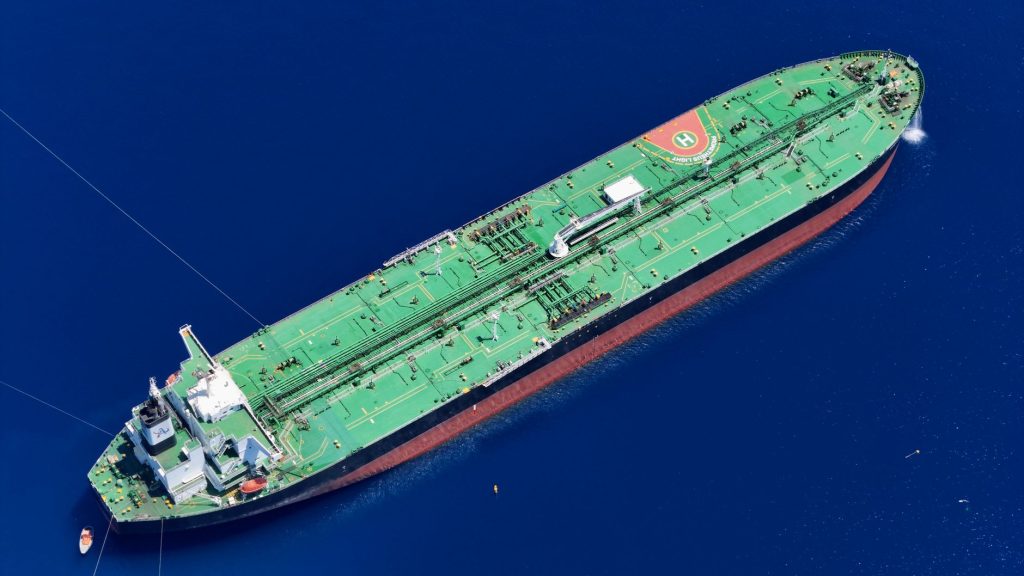
India Russian crude sanctions are a significant topic as the country continues to import Russian oil despite new sanctions. This development highlights the complexities of international trade and geopolitical strategies.
Understanding India’s Oil Imports
India has emerged as a significant player in the global oil market, particularly in its dealings with Russian crude. The recent sanctions imposed on Russia have led to a complex web of international relations, but India has maintained a steady influx of Russian oil. This situation raises questions about how these actions fit into the broader landscape of energy security and diplomacy.
India’s oil imports are crucial for its economic stability. The country relies heavily on foreign supplies to meet its energy needs, with around 85% of its oil requirements sourced from other nations. Here are key points to consider:
- Dependence on imports: With limited domestic production, India is heavily reliant on imports, making it vulnerable to fluctuations in global oil prices.
- Russian crude sanctions: While many countries have imposed sanctions on Russian oil, India has capitalized on discounted prices, increasing its imports significantly.
- Geopolitical implications: India’s decision to continue importing Russian crude has sparked debates about its foreign policy and alignment with Western nations.
- Energy diversification: As India commits to diversifying its energy sources, it remains to be seen how long this relationship with Russia will hold amidst shifting geopolitical dynamics.
Understanding India’s approach to Russian crude sanctions is essential for grasping the current global energy landscape.
The Role of Sanctions in Global Trade
The recent sanctions imposed on Russian crude have sparked debates about their impact on global trade, particularly for countries like India that rely heavily on oil imports. Sanctions can significantly affect the flow of commodities, altering market dynamics and forcing countries to navigate complex geopolitical landscapes.
In the context of India’s Russian crude sanctions, several factors come into play:
- Dependency on Imports: India is one of the largest consumers of oil, with a substantial portion of its imports coming from Russia. The sanctions challenge this dependency and require India to reassess its oil sourcing strategies.
- Market Volatility: Sanctions can lead to rapid fluctuations in oil prices. As supply chains are disrupted, countries often face higher costs, impacting consumers and industries alike.
- Strategic Alliances: In response to sanctions, India may seek to strengthen ties with other oil-producing nations. This could lead to new partnerships that help mitigate the effects of sanctions on Russian crude.
- Legal and Ethical Considerations: Navigating the complexities of sanctions involves legal compliance and ethical considerations, as companies must weigh the benefits of sourcing from sanctioned nations against potential backlash from international communities.
Understanding the role of sanctions in global trade is crucial for grasping their long-term implications for countries like India.
Impact of Trump’s Waiver on Oil Markets
The recent waiver granted by former President Trump has significant implications for oil markets, particularly concerning India’s imports of Russian crude. This decision allows India to continue its purchasing activities without the threat of immediate sanctions, subsequently influencing global oil dynamics.
India has emerged as one of the largest importers of Russian crude oil, capitalizing on discounted prices amidst ongoing geopolitical tensions. With the waiver in place, India can maintain its energy security while navigating the complex landscape of international sanctions.
Key impacts of this waiver include:
- Price Stability: By securing a steady supply of Russian crude, India helps stabilize global oil prices, which have been volatile due to sanctions and production cuts from other nations.
- Increased Supply Chain Resilience: The ability to source Russian crude enhances India’s energy independence, reducing its reliance on more expensive alternatives from other regions.
- Geopolitical Leverage: Continued imports of Russian oil may position India as a crucial player in the global energy market, allowing it to negotiate better deals and partnerships.
The implications of India’s Russian crude sanctions status will resonate throughout the global oil landscape for the foreseeable future, as countries reassess their energy strategies in light of changing regulations and market conditions.
Future of Russian Crude in India
The future of Russian crude in India remains a complex issue, especially in light of the ongoing India Russian crude sanctions. As countries navigate the intricate landscape of global oil markets, India’s relationship with Russian crude continues to evolve, influenced by geopolitical tensions and economic considerations.
Despite the sanctions imposed on Russia, India has emerged as one of the largest buyers of Russian oil, capitalizing on discounted prices. This trend is likely to persist as India looks to secure its energy needs amid fluctuating global prices. Analysts suggest that India’s continued import of Russian crude could be viewed as a pragmatic approach to energy security, allowing the country to diversify its sources while mitigating the impact of Western sanctions.
However, there are several factors to consider:
- Supply Chain Stability: Ensuring a reliable supply of Russian crude amidst sanctions will be crucial for India.
- Global Relations: India’s ties with Western nations could be strained as it deepens its reliance on Russian oil.
- Market Fluctuations: Changes in global oil prices may affect India’s purchasing strategies.
Ultimately, navigating these dynamics will be essential for India as it seeks to balance its energy requirements with geopolitical realities.
Legal Implications of Oil Sanctions
The legal implications of oil sanctions, particularly in the context of India Russian crude sanctions, have significant ramifications for trade and international relations. As countries like the United States impose restrictions on certain imports, the legal framework governing these sanctions becomes crucial for nations that continue to engage with sanctioned entities.
Firstly, compliance with international law is essential. Countries must navigate a complex web of regulations to avoid potential repercussions, including fines or diplomatic tensions. India’s approach to Russian crude has raised questions about its adherence to U.S. sanctions, especially after recent waivers.
Secondly, trade agreements and partnerships may be affected. Nations trading with India could face scrutiny or pressure from the U.S. to limit their engagement in oil transactions that involve Russia. Such dynamics can alter existing trade relationships and create uncertainty in future agreements.
Moreover, financial institutions that facilitate transactions must ensure they are not inadvertently supporting sanctioned activities. This can result in rigorous compliance checks and increased operational costs.
Lastly, the evolving geopolitical landscape means that legal implications will continue to shift. Countries like India must remain vigilant and adaptable to maintain their energy security while navigating the challenges posed by India Russian crude sanctions.
The India Russian crude sanctions have led to a significant shift in the country’s oil import strategies. As a result, many businesses are now exploring alternative suppliers to mitigate the impact of the India Russian crude sanctions.
Photo by DeLuca G on Pexels
Read the original
Keralam woman gold ruling: Wrong decision sparks outrage · Russia Sanctions Trump: Clear Implications for Trade Policy · Canada immigration rules: Smart changes benefiting Indian pros