
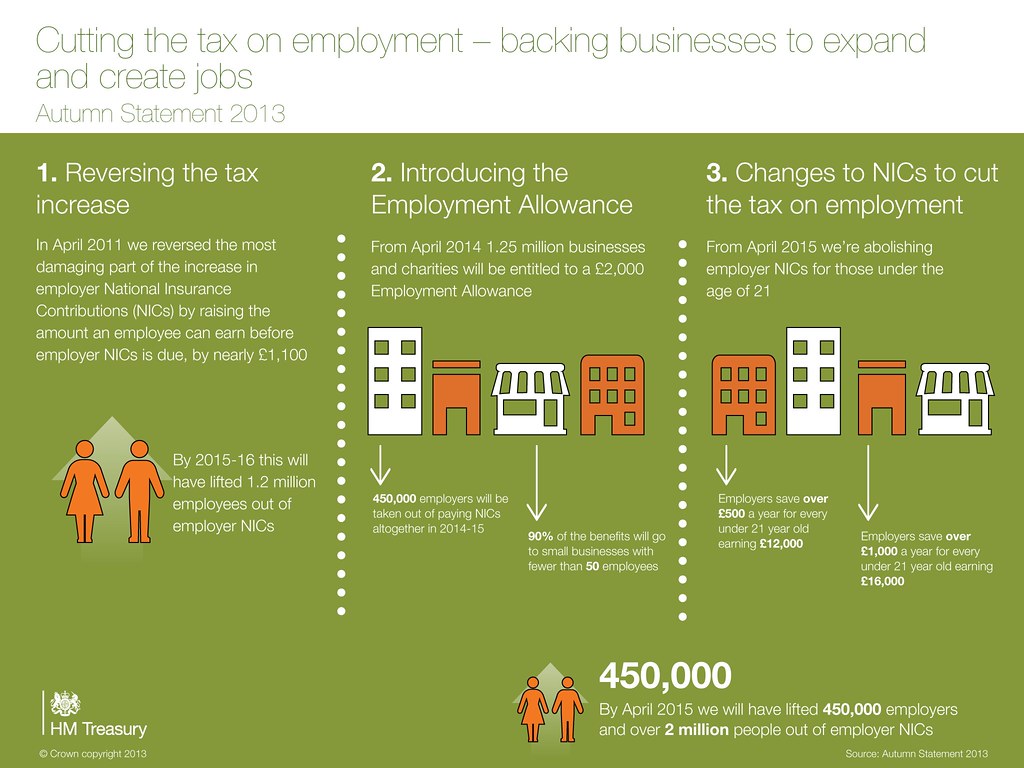
UK tax cut is now in effect, providing a 5% reduction for households across the nation. This change aims to ease financial burdens and stimulate economic growth.
What is the UK tax cut?
The UK tax cut is a significant financial measure that aims to ease the burden on households across the country. Starting today, a 5% reduction in income tax rates will be implemented, impacting millions of working individuals and families. This move is designed to increase disposable income, allowing households to retain more of their earnings.
Proponents of the tax cut argue that it will stimulate consumer spending and support the economy during challenging times. However, critics raise concerns about the long-term implications, questioning whether the reduction will adequately address pressing issues such as public services funding and national debt.
As the UK tax cut takes effect, many families are left wondering how this financial decision will influence their overall economic stability and future financial planning.
How will it affect households?
The recent UK tax cut of 5% is set to have a significant impact on households across the country. Many families are hopeful that this reduction will ease financial burdens, allowing for greater disposable income. However, the actual benefits may vary depending on individual circumstances.
Here are some potential effects of the tax cut:
- Increased disposable income: Households may find themselves with more money to spend on essential goods and services.
- Impact on public services: Critics argue that reduced tax revenue could lead to cuts in funding for vital services.
- Inflation considerations: Some experts warn that inflation may offset the benefits of the tax cut, potentially diminishing its positive effects.
Ultimately, while the UK tax cut presents opportunities for financial relief, its overall effectiveness will depend on broader economic conditions and individual financial situations.
Expert opinions on the tax cut
Experts have mixed opinions regarding the recent UK tax cut. Some financial analysts suggest that the 5% reduction will provide immediate relief to struggling households, allowing them to retain more of their income during a challenging economic period. David Clark, a well-known economist, states, “This tax cut is a timely measure that can stimulate spending and help families manage their finances more effectively.”
However, not all agree with this perspective. Sarah Jenkins, a financial advisor, warns that, “While the UK tax cut may offer short-term benefits, it could lead to larger budget deficits in the future, impacting public services.”
Both sides emphasize the importance of evaluating long-term implications. As households navigate these changes, the consensus is that careful financial planning will be essential to maximize the benefits of the tax cut while preparing for potential future economic challenges.
Comparing past tax cuts
In examining the impact of previous tax cuts in the UK, it is essential to consider their long-term effects on households and the economy. Notably, the UK tax cut implemented in 2012 led to a temporary increase in consumer spending, but critics argue it contributed to growing income inequality. Other instances, such as the 2016 tax reduction, sparked debates about the sustainability of public services due to decreased government revenue.
Historically, tax cuts have been positioned as a way to stimulate growth, yet the outcomes have varied. Many households initially benefitted from increased disposable income, but the subsequent years often revealed challenges, including rising inflation and reduced public investment.
As the new tax cut comes into effect, it will be crucial to monitor whether similar patterns emerge, particularly regarding the balance between immediate financial relief and long-term economic health.
What to expect in the future
As the UK tax cut takes effect, households can expect a range of financial implications in the coming months. Many analysts believe that while the immediate benefits may be modest, the long-term effects could significantly shape the UK economy.
Potential outcomes include:
- Increased disposable income: Households may have more money to spend, potentially boosting local businesses.
- Inflation concerns: Experts warn that the tax cut could lead to increased demand, possibly driving prices higher.
- Government revenue adjustments: A reduction in tax rates might impact public services funding, prompting future budget reviews.
Ultimately, while the UK tax cut aims to relieve financial pressure on households, its broader economic ramifications will need careful monitoring as the situation develops.
Public reaction to the tax cut
The recent announcement of the UK tax cut has sparked a wide range of public reactions. Many individuals are optimistic, believing that the 5% reduction will provide much-needed relief amidst rising living costs. Some residents expressed their excitement, stating that the extra money could help with essential expenses.
However, not everyone is convinced that this financial decision is beneficial. Critics argue that the tax cut may lead to reduced funding for essential public services, potentially impacting healthcare and education. Others worry that the benefits of the tax cut may not be equally distributed, favoring higher earners more than those in lower income brackets.
As the news spreads, social media platforms are abuzz with discussions. Many are sharing their thoughts on whether this tax cut will make a meaningful difference to their monthly budgets, illustrating the varied perspectives within the community.
By HM Treasury via Openverse