Trump SNAP cuts are a hot topic as they involve significant changes to food assistance programs. This article explores the legal aspects and current proposals surrounding these cuts.
Overview of Trump SNAP Cuts
The recent proposals regarding Trump SNAP cuts have sparked significant debate among policymakers and advocates. These cuts aim to reduce federal spending on the Supplemental Nutrition Assistance Program (SNAP), which assists millions of low-income families across the United States.
The proposed changes focus on the following key areas:
- Eligibility Requirements: Stricter work requirements may be enforced, potentially disqualifying many individuals who currently receive assistance.
- Benefit Reductions: Proposed reductions in benefit amounts could impact the ability of families to access sufficient food.
- State Flexibility: States may gain more authority to implement their own requirements, leading to inconsistencies in assistance across the country.
While these proposals are still under discussion, they reflect a broader trend of tightening social safety nets. Advocates for low-income families argue that the Trump SNAP cuts could exacerbate food insecurity and push vulnerable populations further into poverty.
As the situation develops, the legal implications of these changes will also be closely scrutinized, given their potential impact on millions of Americans who rely on this essential program.
Current Legal Status of SNAP
The current legal status of the Supplemental Nutrition Assistance Program (SNAP) is under scrutiny as the Trump SNAP cuts proposal continues to evolve. As of now, the proposed changes have not yet been implemented, but they have raised concerns among advocates and legal experts alike.
The proposed cuts aim to modify eligibility requirements and reduce benefits, which could significantly impact millions of Americans relying on SNAP for food security. Legal challenges may arise if these changes are enacted, as critics argue that they could violate existing federal regulations designed to protect vulnerable populations.
Additionally, there is ongoing debate about the extent to which states can implement their own policies in response to federal guidelines. Many states are preparing to push back against potential cuts, emphasizing the importance of maintaining access to essential food resources.
In summary, while the Trump SNAP cuts remain a proposal, the implications of these changes could lead to significant legal battles if they move forward. Advocacy groups are closely monitoring developments and are ready to challenge any actions that could undermine the safety net for low-income families.
Proposed Changes to SNAP Benefits
The proposed changes to the Supplemental Nutrition Assistance Program (SNAP) under the Trump administration have stirred considerable debate among policymakers and advocates alike. The Trump SNAP cuts aim to reduce federal spending on food assistance, with significant implications for millions of Americans relying on this support.
The key elements of the proposed changes include:
- Eligibility Restrictions: The administration seeks to tighten eligibility requirements, potentially affecting low-income families and individuals who depend on SNAP benefits for their basic nutritional needs.
- Benefit Reductions: Proposed cuts may lead to a decrease in monthly benefits, which could exacerbate food insecurity among vulnerable populations.
- Work Requirements: The changes also emphasize increased work requirements for able-bodied adults, raising concerns about the feasibility for many individuals facing barriers to employment.
These proposals have been met with strong opposition from various advocacy groups, who argue that the Trump SNAP cuts would disproportionately affect those in need, especially during economic downturns. As the situation evolves, the legal implications of these changes remain a critical point of contention.
Impact on Low-Income Families
The proposed Trump SNAP cuts have raised significant concerns among advocates for low-income families. These changes threaten to limit access to essential food assistance for millions of Americans who rely on the Supplemental Nutrition Assistance Program.
Analysts warn that the implications of these cuts could be dire, leading to:
- Increased Food Insecurity: Many families may struggle to afford basic nutrition, putting them at risk for health issues.
- Higher Poverty Rates: Reductions in SNAP benefits could push more families below the poverty line, exacerbating economic hardship.
- Negative Impact on Children: Children in low-income households may face developmental challenges if they do not receive adequate nutrition.
Furthermore, the proposed changes could disproportionately affect marginalized communities, deepening existing inequalities. As stakeholders await the final decision on these proposals, the potential fallout from Trump SNAP cuts remains a pressing concern for those advocating for vulnerable populations.
In summary, if implemented, the impact on low-income families could be profound, highlighting the critical need for ongoing advocacy and support for SNAP beneficiaries.
Public Response to Proposed Cuts
The proposed Trump SNAP cuts have ignited widespread public outcry, with many expressing concern over the potential impact on vulnerable communities. Advocates argue that these cuts could exacerbate food insecurity and deepen poverty levels.
In a recent survey conducted by a leading nonprofit organization, a significant majority of respondents opposed the proposed changes, stating:
- 82% believe that access to food assistance is essential for low-income families.
- 75% of participants are concerned that these cuts will lead to increased hunger.
- 68% feel that the government should expand, rather than reduce, SNAP benefits.
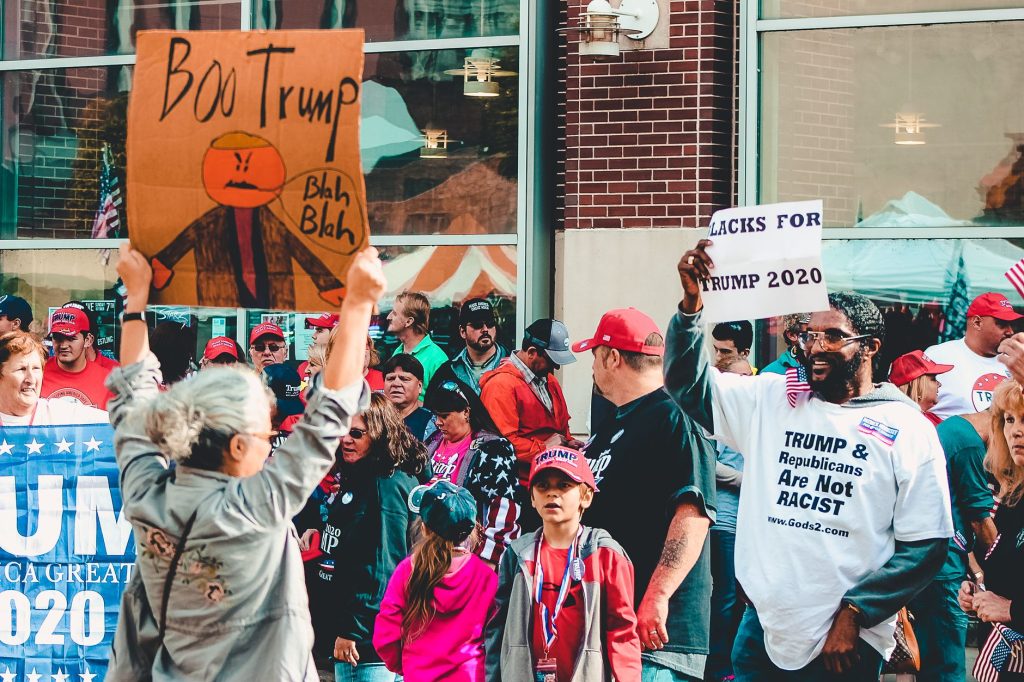
Community organizations are mobilizing against the proposed cuts, organizing rallies and educational campaigns to inform the public about the potential consequences. Many have taken to social media, using hashtags such as #StopTrumpSNAPCuts to amplify their message.
As the debate continues, it remains to be seen how policymakers will respond to the overwhelming public sentiment against these proposed changes to SNAP benefits.
Future of SNAP Legislation
The future of SNAP legislation remains uncertain as various stakeholders weigh in on the proposed changes. While the Trump SNAP cuts aim to reduce government spending, they have faced significant pushback from advocacy groups and lawmakers alike.
Many experts believe that any drastic changes could lead to increased food insecurity among vulnerable populations. Potential outcomes of the proposed legislation include:
- Increased legal challenges: Advocacy organizations are prepared to contest any approved cuts in court, arguing they violate federal guidelines.
- Changes in eligibility: Stricter requirements could disqualify many families who currently rely on SNAP benefits.
- State-level responses: Some states may seek to implement alternative assistance programs to fill the gaps left by reduced federal support.
As public sentiment continues to shift, lawmakers are under pressure to reconsider these proposals. The implications of the Trump SNAP cuts extend beyond budgetary concerns; they may redefine how assistance programs operate in the future, impacting millions of Americans. The debate over SNAP remains a critical issue, influencing both policy and the lives of those who depend on these essential benefits.
Conclusion and Next Steps
As the discussion surrounding the Trump SNAP cuts continues, it is essential to recognize the broader implications for low-income families and the future of food assistance in the United States. The proposed changes, which aim to reduce benefits for millions, have sparked significant public outcry and legal scrutiny.
Moving forward, stakeholders must consider the following steps:
- Advocacy Efforts: Continued advocacy is crucial to protect the interests of vulnerable populations who rely on SNAP for their basic needs.
- Monitoring Legal Developments: As legal challenges unfold, it will be important to stay informed about court decisions that could impact the proposed SNAP cuts.
- Engaging with Policymakers: Engaging with lawmakers to voice concerns and propose alternatives can help shape future legislation.
- Public Awareness Campaigns: Raising awareness about the consequences of these cuts can mobilize public support and influence policy changes.
Ultimately, the future of SNAP benefits will depend on the collective efforts of advocates, lawmakers, and the public to ensure that food security remains a priority in national policy discussions.
Photo by Rosemary Ketchum on Pexels