
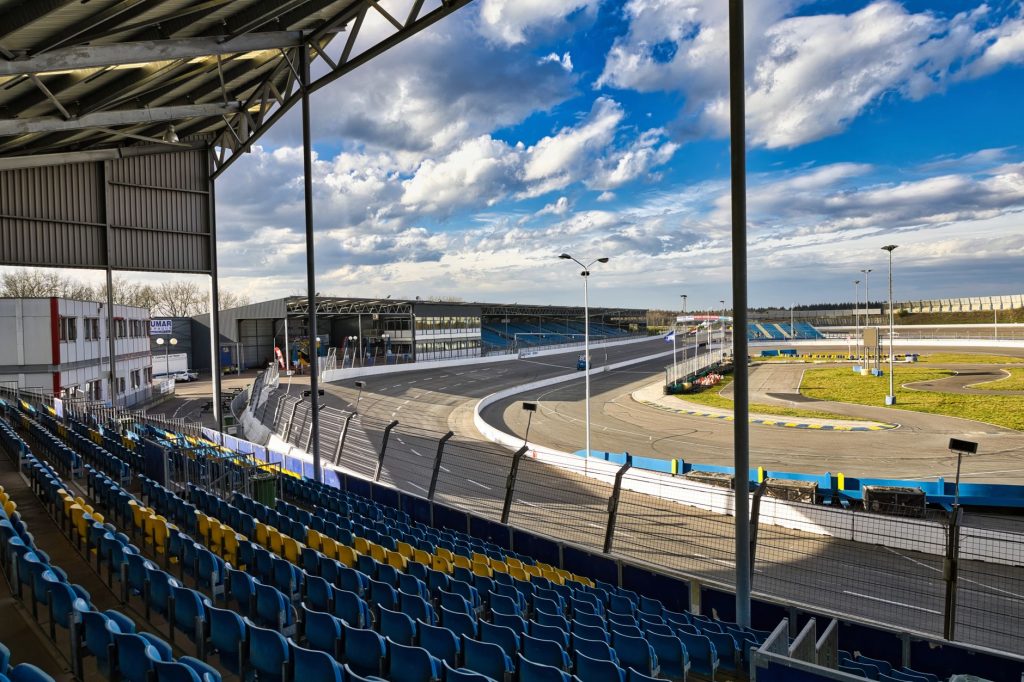
Motorsport venue licensing law is under scrutiny as NSW plans to scrap it. This potential change has sparked debate among stakeholders in the motorsport community.
Overview of the Proposed Changes
The New South Wales government has proposed significant changes to the current motorsport venue licensing law, sparking concern among enthusiasts and industry stakeholders. The move aims to simplify the regulatory framework governing motorsport events, but many believe it could have detrimental effects on safety and community engagement.
Under the proposed changes, the government plans to:
- Eliminate certain licensing requirements: This could lead to venues operating without adequate oversight, raising safety concerns for both participants and spectators.
- Reduce local council involvement: The proposed law could limit the ability of councils to enforce noise and safety regulations, potentially leading to increased complaints from nearby residents.
- Streamline event approvals: While intended to ease the process for organizers, this could result in a rush to approve events without thorough evaluation.
Advocates for motorsport argue that the current licensing law has been effective in maintaining high safety standards and fostering community relationships. Critics of the proposed changes fear it may lead to a decline in the quality of events and a negative impact on local communities. As discussions continue, many in the motorsport community are calling for a reevaluation of the proposed motorsport venue licensing law to ensure the protection of all involved.
Impact on Local Motorsport
The recent proposal to scrap the motorsport venue licensing law in New South Wales has sparked significant concern among local motorsport enthusiasts and organizers. The potential impact of this change is far-reaching, affecting not only the venues but also the community that surrounds them.
Firstly, the removal of the licensing law may lead to a decrease in safety standards at motorsport events. Without the regulatory framework, venues could cut corners, putting drivers, spectators, and staff at risk. This could ultimately tarnish the reputation of motorsport in the region.
Moreover, local businesses that rely on motorsport events for revenue could face dire consequences. These events attract visitors and generate economic activity, providing income for hotels, restaurants, and shops. The proposed changes could lead to a decline in such events, adversely affecting the local economy.
Another concern is the potential loss of community engagement. Motorsports often bring people together, fostering a sense of camaraderie and passion for racing. Without a stable regulatory environment, organizers may struggle to plan and host events effectively, diminishing community involvement.
In summary, the proposed changes to the motorsport venue licensing law could have disastrous effects on safety, economy, and community in New South Wales.
Reactions from the Racing Community
Reactions from the racing community regarding the proposed changes to the motorsport venue licensing law in New South Wales have been overwhelmingly negative. Many industry stakeholders express deep concern over the potential impacts on local motorsport events and the safety of participants and spectators alike.
- Local Racers: Amateur and professional racers fear that the new regulations could hinder their ability to compete. “This law change could spell the end for many grassroots events that rely on accessible venues,” said one local driver.
- Track Owners: Venue operators are also voicing their frustrations, citing the significant investments they have made to meet current licensing requirements. “Altering the licensing law now undermines years of work and financial commitment,” remarked a prominent track owner.
- Fans and Supporters: Spectators and racing enthusiasts worry that the proposed changes will lead to fewer events and diminished opportunities to enjoy local motorsport. “We depend on these events for community engagement and excitement,” noted a long-time supporter.
As discussions continue, the racing community remains united in their call for a reconsideration of the proposed motorsport venue licensing law, emphasizing the need for regulations that protect both the sport and its participants.
Legal Implications of Scrapping the Law
The recent proposal to scrap the motorsport venue licensing law in New South Wales has raised numerous legal implications that could affect the future of racing in the region. One of the primary concerns is the potential for increased liability for venue operators. Without a clear licensing framework, venues may not be adequately protected from lawsuits stemming from accidents or injuries during events.
Furthermore, the absence of a structured licensing system could lead to a rise in unregulated events. This situation poses significant risks not only to participants but also to spectators, as safety standards may not be enforced. The legal ramifications extend to insurance coverage, which could become more complicated for venues that lack the necessary licenses.
Additionally, local councils may face challenges in managing noise complaints and other community concerns without the licensing framework that previously provided guidelines. The potential for disputes between venues and communities could escalate, leading to legal battles that may further complicate the landscape of motorsport in NSW.
In conclusion, the decision to scrap the motorsport venue licensing law could usher in a host of legal uncertainties that threaten to undermine the safety and viability of motorsport events in the state.
Comparison with Other States
In comparing the proposed changes to the motorsport venue licensing law in New South Wales with similar regulations in other states, significant disparities emerge. States like Victoria and Queensland maintain stringent licensing frameworks that prioritize safety and community engagement. These laws ensure that motorsport venues meet high operational standards, ultimately fostering a more secure environment for both participants and spectators.
In Victoria, for instance, the licensing process is robust, requiring venues to undergo regular inspections and adhere to comprehensive safety protocols. This model has proven effective in reducing accidents and enhancing public confidence in motorsport events. Meanwhile, Queensland’s approach emphasizes collaboration between government and local motorsport associations, creating a supportive ecosystem that encourages growth while maintaining safety standards.
Conversely, the proposed scrapping of the motorsport venue licensing law in NSW raises concerns about the potential for increased risks. Without a structured licensing process, there is a fear that venues may cut corners on safety, leading to dangerous situations during events. The absence of regulation could also deter potential participants and spectators, harming the local motorsport community’s viability.
As the debate continues, stakeholders urge the NSW government to reconsider its position and learn from the successes of other states.
Future of Motorsport in NSW
The future of motorsport in New South Wales (NSW) is currently under a cloud of uncertainty as the proposed changes to the motorsport venue licensing law loom on the horizon. Stakeholders across the industry are voicing concerns about the long-term repercussions these changes could bring.
One of the most pressing issues is the potential decline in safety standards that may arise from the scrapping of existing regulations. Many fear that without stringent licensing requirements, venues may prioritize profit over the well-being of participants and spectators.
Furthermore, the community aspect of local motorsport could be severely impacted. Grassroots events, which rely on accessible venues, may struggle to survive in an environment where licensing is no longer enforced. This could lead to:
- Decreased opportunities for amateur racers and enthusiasts.
- Loss of local jobs related to event organization and venue management.
- Reduced investment in motorsport infrastructure.
As the debate continues, many in NSW are left wondering whether these changes will usher in a new era of motorsport or signal the decline of a beloved cultural pastime.
Key Stakeholders’ Opinions
Key stakeholders within the motorsport community have expressed strong opinions regarding the proposed changes to the motorsport venue licensing law in New South Wales. Many believe that scrapping this law could jeopardize the future of racing in the region.
Local business owners, including those who rely on the influx of visitors during racing events, have voiced their concerns. John Smith, a prominent figure in the motorsport industry, stated, “Without the licensing law, we risk losing our identity and the economic benefits that come with hosting racing events.”
Furthermore, Phil Jones, a long-time racer and advocate for grassroots motorsport, emphasized the need for regulation to maintain safety standards. “The licensing law ensures that venues meet essential safety criteria. Removing it could lead to dangerous situations on the track,” he explained.
Environmental groups have also weighed in, arguing that proper licensing is crucial for managing the ecological impact of racing venues. Linda Green, a spokesperson for an environmental organization, noted, “We need to ensure that motorsport venues operate within sustainable limits. The licensing law plays a vital role in enforcing these standards.”
As discussions continue, the consensus among stakeholders is that the proposed changes could have far-reaching consequences for the future of motorsport in NSW.
Conclusion and Next Steps
As the debate surrounding the proposed changes to the motorsport venue licensing law continues, it is crucial for stakeholders to come together and address the potential ramifications. Many in the racing community believe that scrapping the existing law could lead to a decline in local events and a loss of cultural heritage in motorsport within New South Wales.
Looking ahead, it is essential for local clubs, drivers, and fans to actively engage with policymakers to voice their concerns. The impact of this change could extend beyond just racing; it might also affect tourism and local economies that benefit from motorsport events. Stakeholders must consider forming alliances with similar organizations in other states to ensure that their voices are heard.
Furthermore, advocacy efforts should focus on educating the public about the importance of motorsport in fostering community spirit and promoting healthy competition. This could involve organizing events that showcase the positive aspects of motorsport and its contributions to society.
In conclusion, while the proposed changes to the motorsport venue licensing law present challenges, there is still an opportunity for the racing community to unite and push for a favorable outcome. The future of motorsport in NSW depends on collective action and continued dialogue with decision-makers.
The recent updates to the motorsport venue licensing law have raised concerns among local organizers and fans alike. Many believe that the motorsport venue licensing law will hinder the growth and accessibility of motorsport events in New South Wales.
Photo by Wolfgang Vrede on Pexels