






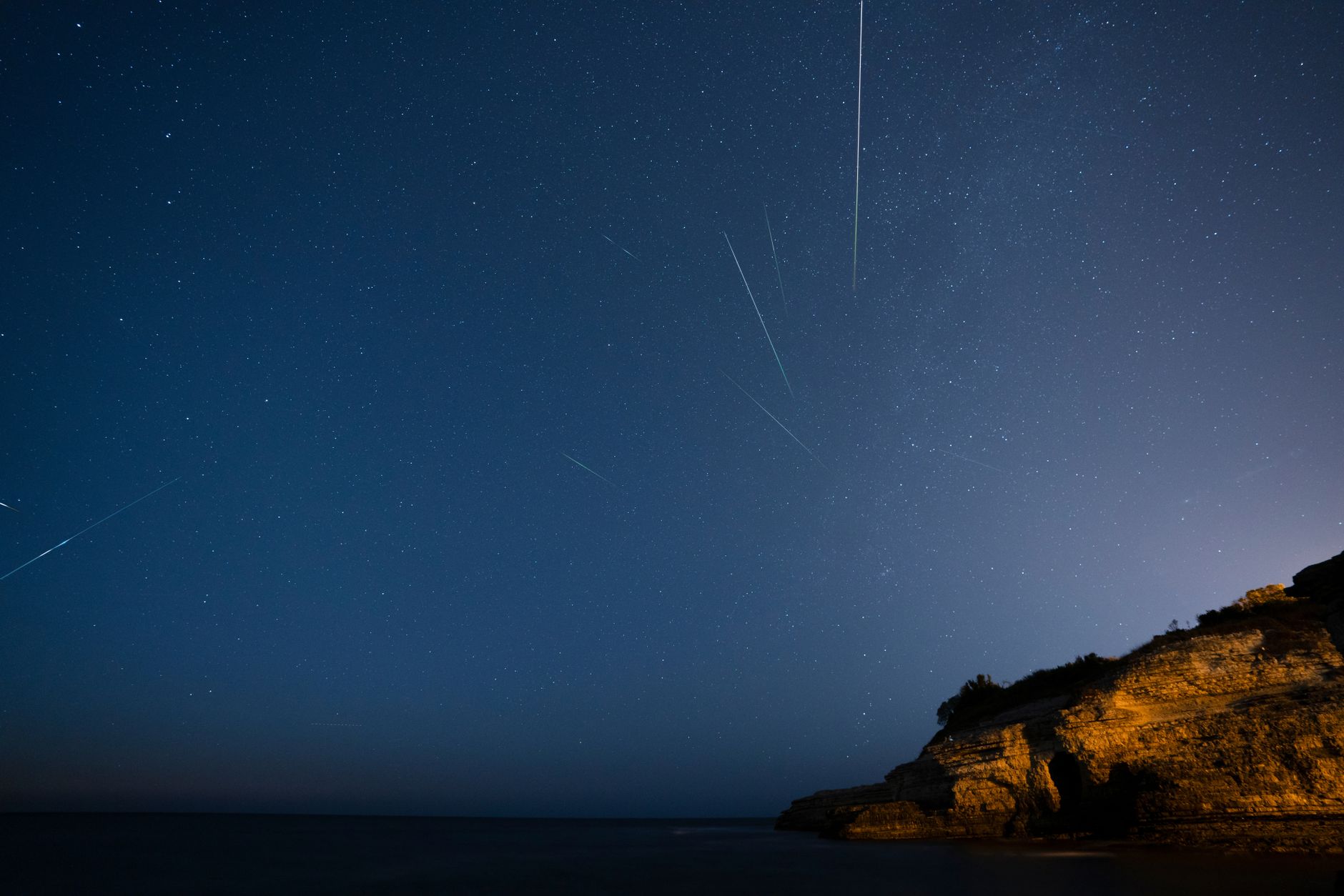
meteor shower sighting is a rare event that many skywatchers eagerly anticipate. Experts highlight the significance of this celestial phenomenon and its infrequent occurrences.
What is a meteor shower?
A meteor shower is a celestial event that occurs when numerous meteoroids enter the Earth’s atmosphere and produce bright streaks of light, commonly referred to as “shooting stars.” These meteoroids are typically remnants of comets or asteroids that have broken apart over time. When Earth passes through the debris left behind by these celestial bodies, the meteoroids collide with the atmosphere at high speeds, creating a dazzling display.
During a meteor shower, skywatchers can observe numerous meteors per hour, making it a spectacular experience for astronomy enthusiasts and casual observers alike. The intensity and frequency of meteors can vary significantly depending on the particular meteor shower, with some events being particularly prolific.
There are several well-known meteor showers throughout the year, each associated with specific celestial events. The Perseids in August and The Geminids in December are among the most popular. Observing a meteor shower can be a magical experience, especially during a rare sighting, as it connects us to the vast universe beyond our planet.
Why are meteor showers rare?
Meteor showers are often celebrated celestial events, but they are not as frequent as one might think. Several factors contribute to the rarity of meteor shower sightings, making them a captivating experience for skywatchers.
- Orbital paths: Meteor showers occur when Earth passes through the debris left by comets or asteroids. The specific timing and trajectory of these celestial bodies determine when and where meteor showers can be observed.
- Debris density: Not all comets leave behind a significant trail of particles. Some trails are sparse, leading to fewer visible meteors during a shower, which can affect the overall intensity of the sighting.
- Seasonal conditions: Weather plays a crucial role in the visibility of meteor showers. Cloud cover, atmospheric conditions, and light pollution can hinder the ability to see these stunning displays.
- Timing: Most meteor showers have specific peak times, often lasting only a few hours or days. Those who miss the peak may have to wait for the next opportunity to witness a meteor shower sighting.
These elements combine to make meteor showers a rare and exciting spectacle in the night sky.
How to watch the meteor shower
As skywatchers gear up for the thrilling meteor shower sighting, preparation is essential to enhance the experience. Here are some tips to ensure you make the most of this celestial event:
- Find a Dark Location: Choose a spot away from city lights. Parks, beaches, or rural areas are ideal for optimal visibility.
- Check the Weather: Clear skies are crucial. Monitor local forecasts to avoid clouds that could obstruct your view.
- Time Your Viewing: The best time to watch is typically after midnight, when the sky is darkest and the meteor activity is highest.
- Be Comfortable: Bring a blanket or reclining chair to lie back and gaze at the sky comfortably for an extended period.
- Limit Distractions: Turn off your phone or use it minimally to allow your eyes to adjust to the darkness, improving your chances of spotting meteors.
With these tips in mind, you can fully enjoy the stunning display of shooting stars that the meteor shower sighting promises to deliver.
Expert insights on meteor sightings
Experts have weighed in on the recent meteor shower sighting, emphasizing its rarity and the unique conditions that make such events captivating for skywatchers. Dr. Emily Carter, an astrophysicist at the National Observatory, noted that this meteor shower is particularly special due to its alignment with a new moon, which provides darker skies for optimal viewing.
According to Dr. Carter, the frequency of meteor showers varies, and while some occur annually, others can be sporadic. This year’s event is expected to attract more attention because of the high volume of meteors per hour. She explained, “A meteor shower sighting can be a breathtaking experience, as onlookers may witness dozens of shooting stars in just a few hours.“
Additionally, Dr. Michael Lee, a meteorologist, highlighted the importance of location for observing these celestial displays. He suggested that viewers find open areas away from city lights to enhance their experience. Both experts agree that this meteor shower sighting serves as a reminder of the wonders of our universe and the joy of sharing such moments with others.
Best locations for viewing
As skywatchers prepare for the upcoming meteor shower sighting, choosing the right location is crucial for an optimal experience. Here are some of the best spots to catch this stunning celestial event:
- National Parks: Remote areas with minimal light pollution, such as Yosemite National Park and Joshua Tree National Park, offer exceptional visibility.
- Mountains: Higher elevations, like the Rocky Mountains, provide clearer skies and a chance to witness the meteors without urban distractions.
- Beaches: Locations along the coast, particularly in Florida and California, allow for expansive views of the night sky over the ocean.
- Rural Areas: Getting away from city lights is key. Small towns and countryside spots can serve as perfect viewing platforms.
- Backyards: For those unable to travel, simply lying back in your own backyard can still yield breathtaking meteor shower sightings.
Remember to bring a blanket, some snacks, and your favorite company for an unforgettable night under the stars.
Upcoming meteor shower events
As skywatchers eagerly anticipate the next celestial displays, several upcoming meteor shower events promise to captivate audiences worldwide. These events are not only a chance to witness the beauty of the universe but also an opportunity for enthusiasts to enjoy a shared experience with fellow stargazers.
- Perseid Meteor Shower: Expected to peak on August 12-13, this annual event is renowned for its bright and fast meteors. Observers can expect up to 100 meteors per hour under optimal conditions.
- Geminid Meteor Shower: Scheduled for December 13-14, this shower is one of the most reliable and produces colorful meteors. It is a must-see for those hoping for a memorable meteor shower sighting.
- Quadrantid Meteor Shower: Occurring in early January, this shower is known for its sharp peak and can deliver around 120 meteors per hour. The short duration makes timing essential for those wishing to catch this fleeting spectacle.
With each meteor shower event bringing its unique charm, skywatchers are encouraged to find dark locations away from city lights to enhance their viewing experience.
The recent meteor shower sighting has drawn enthusiasts from around the globe, eager to witness this breathtaking celestial display. As the night sky illuminated with streaks of light, the meteor shower sighting became a memorable experience for all who participated.
Photo by FURKAN GÜNEŞ on Pexels
Sources
Related reading
Political donors residency rules: What are the worst impacts? · Gujarat Labour Code Rules: Your Complete Compliance Guide · Tanzania Law Review: A Smart Move for Vision 2050