
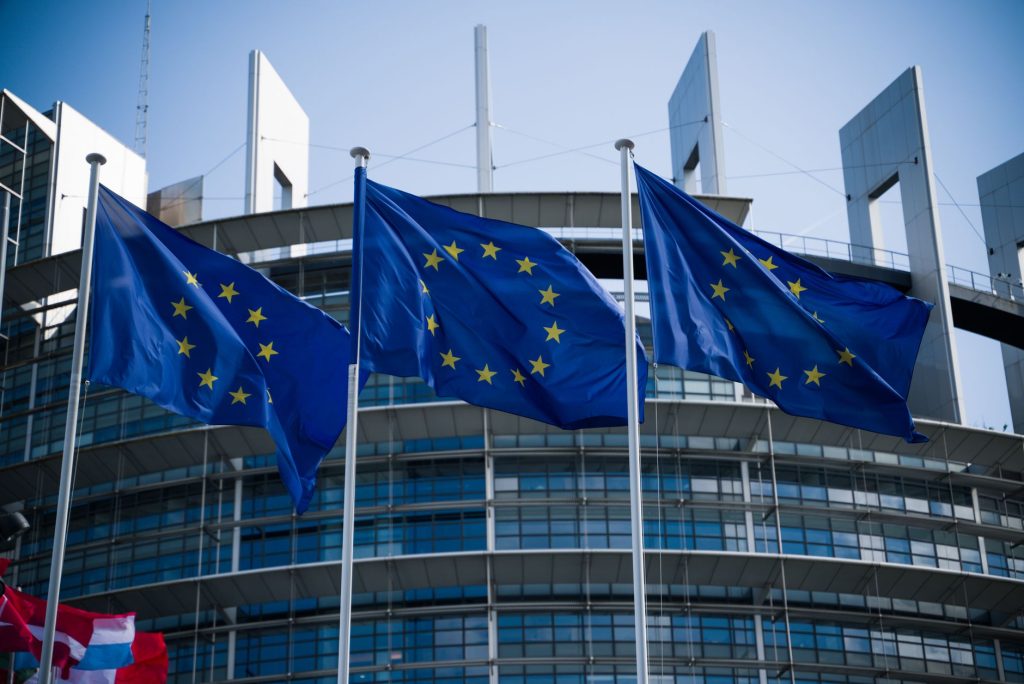
EU environmental laws are at the center of a growing complaint regarding the plan to simplify regulations, prompting debates about their effectiveness and necessity.
Overview of the EU Environmental Laws
The European Union’s environmental laws have long been regarded as a cornerstone of its commitment to sustainability and ecological preservation. These regulations are designed to protect natural resources, ensure biodiversity, and combat climate change. However, recent developments have sparked concern among environmental advocates and policymakers alike.
A proposal aimed at simplifying more EU environmental laws has come under fire for potentially undermining existing protections. Critics argue that this plan could dilute essential regulations that have taken years to establish and refine. The simplification is perceived as a move that prioritizes economic growth over environmental integrity, raising alarm bells among various stakeholders.
Supporters of the current EU environmental laws emphasize their importance in addressing pressing global challenges, such as air and water pollution, waste management, and habitat destruction. They contend that the complexity of these regulations is a necessary trade-off for ensuring that environmental standards are maintained and improved.
Moreover, the proposed simplification could lead to inconsistencies across member states, creating loopholes that may be exploited by industries looking to bypass stringent environmental protections. As the debate unfolds, it is crucial for citizens and policymakers to engage in discussions about the implications of these changes on both the environment and public health.
In light of the growing concerns, many are calling for a thorough review of the proposed changes to ensure that the EU’s commitment to environmental stewardship remains steadfast.
Details of the Simplification Plan
The recent proposal to simplify EU environmental laws has sparked significant controversy among environmentalists and legal experts. Critics argue that the plan, which aims to streamline existing regulations, could lead to a detrimental weakening of vital protections for biodiversity and ecosystems across Europe.
Key details of the simplification plan include:
- Reduction of Regulations: The proposal seeks to cut down on the number of environmental regulations that businesses must comply with, claiming that this will foster economic growth and innovation.
- Increased Exemptions: Certain industries may receive broader exemptions from environmental assessments, raising concerns about potential harm to public health and natural habitats.
- Limited Public Consultation: The plan has faced criticism for lacking adequate public engagement, with many stakeholders fearing their voices will not be heard in the decision-making process.
- Risk of Legal Challenges: Experts warn that the simplification of EU environmental laws could lead to an increase in legal disputes, as affected parties challenge the adequacy of new regulations.
As the EU moves forward with its agenda, many are calling for a reassessment of the simplification plan to ensure that environmental protections remain robust and effective in the face of growing ecological challenges.
Concerns Raised by Environmental Groups
Environmental groups have expressed serious concerns regarding the proposed simplification plan for EU environmental laws. They argue that the plan could undermine decades of progress in environmental protection and biodiversity conservation.
According to a coalition of NGOs, the simplification could lead to:
- Weakened Protections: There are fears that essential regulations safeguarding air, water, and wildlife may be relaxed, exposing ecosystems to increased pollution and degradation.
- Increased Corporate Influence: Critics argue that the plan may favor corporate interests over public health and environmental integrity, enabling industries to bypass critical regulations.
- Lack of Transparency: Many organizations have voiced concerns about the insufficient stakeholder engagement in the decision-making process, claiming that the voices of local communities and environmental advocates are being sidelined.
Furthermore, environmentalists are urging EU leaders to reconsider the implications of this simplification. They emphasize the importance of maintaining robust environmental laws that reflect the urgency of climate change and biodiversity loss.
“Simplifying laws should not equate to diluting protections,” stated a representative of one major environmental organization. “We need more stringent measures to combat the pressing ecological crises we face today.” As the debate continues, the future of EU environmental laws remains at a critical crossroads.
Legal Implications of the Complaint
The recent complaint filed against the European Union highlights significant legal implications regarding the proposed simplification of environmental laws. Critics argue that these changes could undermine decades of progress in environmental protection, leading to adverse effects on biodiversity and climate change mitigation efforts.
One of the primary concerns raised is that the simplification plan may violate existing EU regulations, which are designed to ensure rigorous environmental standards. Legal experts suggest that the proposal may conflict with key directives such as the Habitats Directive and the Birds Directive, both of which play crucial roles in safeguarding ecosystems and wildlife across member states.
Furthermore, the complaint points to potential breaches of international agreements, including the Paris Agreement, which commits countries to limit global warming and promote sustainable development. The EU environmental laws are essential to fulfilling these commitments, and any easing of regulations could jeopardize the EU’s credibility on the world stage.
Environmental advocacy groups have emphasized the necessity for robust legal frameworks to address ongoing environmental crises. They argue that any attempt to dilute these laws not only poses risks to the environment but may also lead to legal challenges from member states and NGOs who are prepared to fight for stronger protections.
As the EU navigates this complex legal landscape, the implications of the complaint will likely be debated intensively in the coming months.
Responses from EU Officials
Responses from EU officials regarding the controversial simplification plan have varied, with some expressing support while others highlight potential risks to environmental protection. Frans Timmermans, the European Commission’s Executive Vice-President for the European Green Deal, emphasized the need for balance. He stated, “We must streamline processes, but not at the expense of our commitment to environmental sustainability.” Timmermans reiterated that EU environmental laws are fundamental to achieving climate goals.
Conversely, Virginijus Sinkevičius, the Commissioner for Environment, Oceans, and Fisheries, acknowledged the complexity of existing regulations, stating, “Simplification is essential for better implementation.” However, he noted that it is crucial to ensure that these changes do not dilute the objectives of existing laws aimed at protecting biodiversity and reducing pollution.
In response to the complaints from various environmental groups, officials have insisted that the simplification plan will undergo thorough scrutiny. Maria Neira, Director for Public Health and Environment at the World Health Organization, warned that any erosion of EU environmental laws could have long-term repercussions on public health.
As discussions continue, stakeholders remain divided. While some advocate for a streamlined approach, many fear that the simplification could undermine the rigorous standards that have been established to safeguard Europe’s natural resources. The unfolding debate underscores the tension between regulatory efficiency and environmental responsibility.
Public Opinion on Environmental Regulations
Public opinion on the recent plan to simplify EU environmental laws has become a polarizing topic among citizens and policymakers alike. Many individuals express deep concern over the potential consequences of such simplification, fearing it may lead to weakened protections for nature and biodiversity.
A recent survey revealed that:
- 65% of respondents believe that existing environmental regulations are crucial for combating climate change.
- 70% feel that the simplification plan could undermine years of progress in environmental protection.
- 80% support stricter enforcement of current laws rather than rolling them back.
Moreover, a significant segment of the population, particularly among younger generations, is vocal in their opposition. They argue that the EU should be a leader in sustainability rather than compromising on environmental standards for short-term economic gains. Social media platforms have become a battleground for these views, with hashtags like #ProtectOurPlanet trending as activists rally support.
Several environmental organizations have also chimed in, emphasizing that any perceived simplification could lead to detrimental effects such as increased pollution levels and loss of natural habitats. For many, the fear is not just about the laws themselves, but the broader implications of prioritizing economic considerations over ecological health.
Future of EU Environmental Policy
The future of EU environmental policy is now under significant scrutiny following the recent uproar regarding the proposed simplification of environmental laws. As nations around the world grapple with climate change and ecological degradation, the EU’s approach to maintaining rigorous environmental standards is critical.
Environmental experts warn that the current simplification plan could undermine decades of progress in sustainable practices. Many believe that weakening these laws may lead to increased pollution and ultimately threaten biodiversity across the continent. As a result, the balance between economic growth and environmental preservation remains a contentious issue within EU member states.
Several stakeholders are advocating for a more integrated approach that aligns the EU’s economic ambitions with its commitment to environmental sustainability. They argue that any future policies must prioritize climate resilience and protect natural resources. Key points of concern include:
- Potential rollback of protections for vulnerable ecosystems.
- Increased regulatory loopholes that may benefit corporations at the expense of the environment.
- The challenge of meeting international climate agreements without robust environmental laws.
As the EU navigates this complex landscape, it faces the critical task of balancing the simplification of regulations with the need to uphold stringent environmental standards. The outcome will undoubtedly shape the continent’s ecological future and influence global environmental efforts.
Critics argue that the proposed changes to EU environmental laws will undermine years of progress in sustainability. The worst simplification plan exposed reveals the potential risks of diluting EU environmental laws that protect our ecosystems.
Photo by Tim Diercks on Pexels
Read the original
CTV News · EU environmental law
Related stories
Florida drivers age limit: The Clear Truth About Restrictions · Single education board law: A clear step towards reform · Trump Beef Orders: The Real Impact on Meat Supply Chains