






The Employment Rights Act is a crucial piece of legislation that outlines worker protections in the UK. This article delves into its key provisions and implications for employees and employers alike.
Overview of the Employment Rights Act
The Employment Rights Act is a vital piece of legislation that provides essential protections and rights for employees in the workplace. Enacted to ensure fair treatment and to promote justice within employment, the Act covers various aspects of working life.
This legislation establishes a framework that empowers workers by delineating their rights and responsibilities. Key components of the Employment Rights Act include:
- Job Security: Employees are protected against unfair dismissal and have the right to a fair hearing.
- Minimum Wage: The Act guarantees that employees receive at least the national minimum wage for their work.
- Working Hours: There are regulations concerning maximum working hours and rest breaks to ensure employee well-being.
- Parental Leave: It provides rights to maternity, paternity, and adoption leave, allowing parents to balance work and family.
Overall, the Employment Rights Act serves as a foundation for promoting a fair and equitable work environment, ensuring that employees are treated with respect and dignity.
Key Provisions of the Act
The Employment Rights Act is a significant piece of legislation that provides various protections for employees in the workplace. Understanding its key provisions can help both employers and employees navigate their rights and responsibilities effectively.
- Right to Fair Treatment: The Act ensures that employees are treated fairly in the workplace, promoting equality and preventing discrimination based on age, gender, race, or disability.
- Protection Against Unfair Dismissal: Employees have the right to challenge dismissals they believe are unfair, providing a mechanism for justice and accountability.
- Statutory Sick Pay: In the event of illness, the Act entitles employees to receive statutory sick pay, ensuring financial support during challenging times.
- Minimum Notice Period: The Employment Rights Act stipulates a minimum notice period for termination, offering employees time to prepare for changes in their employment status.
- Right to Request Flexible Working: Employees can request flexible working arrangements, promoting work-life balance and accommodating individual needs.
These provisions highlight the importance of the Employment Rights Act in fostering a fair and equitable work environment.
Impact on Employers
The Employment Rights Act has a significant impact on employers, shaping their responsibilities and obligations in the workplace. Understanding these effects is crucial for businesses looking to comply with the law and maintain positive employee relations.
One of the primary implications of the Employment Rights Act is the requirement for employers to provide clear terms of employment for their staff. This involves outlining job roles, working hours, and pay rates in written contracts, which helps prevent misunderstandings and disputes.
Additionally, the Act mandates that employers adhere to fair dismissal processes. This means that terminating an employee must be based on justifiable reasons, ensuring that workers cannot be dismissed without due process.
Employers also face obligations related to employee rights, such as the right to request flexible working arrangements and protection against discrimination. By fostering a fair and equitable workplace, businesses can enhance their reputation and employee morale.
Ultimately, while the Employment Rights Act imposes certain responsibilities on employers, it also encourages a more harmonious and productive working environment for all parties involved.
Employee Protections Explained
The Employment Rights Act provides essential protections for employees, ensuring their rights are upheld in various workplace situations. Understanding these protections can empower workers and foster a more equitable work environment.
Among the key protections offered by the Act are:
- Job Security: Employees are safeguarded against unfair dismissal, requiring employers to provide just cause before terminating employment.
- Minimum Wage Standards: The Act enforces minimum wage laws, ensuring that employees receive fair compensation for their work.
- Health and Safety Regulations: Employees are entitled to a safe working environment, and employers are obligated to adhere to health and safety standards.
- Parental Leave: The Act supports family rights by providing provisions for maternity, paternity, and adoption leave.
These protections not only enhance employee morale but also contribute to a more productive workforce. Knowledge of the Employment Rights Act empowers employees to advocate for their rights and seek recourse when necessary.
Recent Changes to Employment Law
Recent amendments to the Employment Rights Act have introduced significant changes that affect both employers and employees. These alterations aim to enhance job security and promote fair treatment in the workplace.
- Increased Pay Transparency: Employers are now required to provide clearer information regarding pay structures, helping employees understand their compensation better.
- Extended Rights for Gig Workers: The Act has broadened protections for gig economy workers, ensuring they receive essential benefits like minimum wage and holiday pay.
- Enhanced Family Leave Policies: New provisions allow for extended family leave, making it easier for employees to balance work and caregiving responsibilities.
- Stricter Regulations on Dismissals: Employers must now follow more rigorous procedures when terminating employees, reducing the risk of unfair dismissals.
These updates to the Employment Rights Act reflect a growing recognition of the need for equitable treatment in the workplace, aiming to foster a more inclusive and supportive work environment for all.
Future of Employment Rights
The future of the Employment Rights Act looks promising as it continues to evolve in response to changing work environments and employee needs. With the rise of gig economy jobs and remote work, the Act is likely to adapt to ensure that all workers are adequately protected under the law.
Experts predict several key trends that may shape the future of employment rights:
- Enhanced Protections: There may be a push for more comprehensive protections for gig workers and freelancers, ensuring they receive fair compensation and benefits.
- Flexible Work Arrangements: As remote work becomes standard, the Act might expand to address issues related to work-life balance and the right to disconnect.
- Increased Enforcement: Future amendments could strengthen enforcement mechanisms, making it easier for employees to assert their rights under the Employment Rights Act.
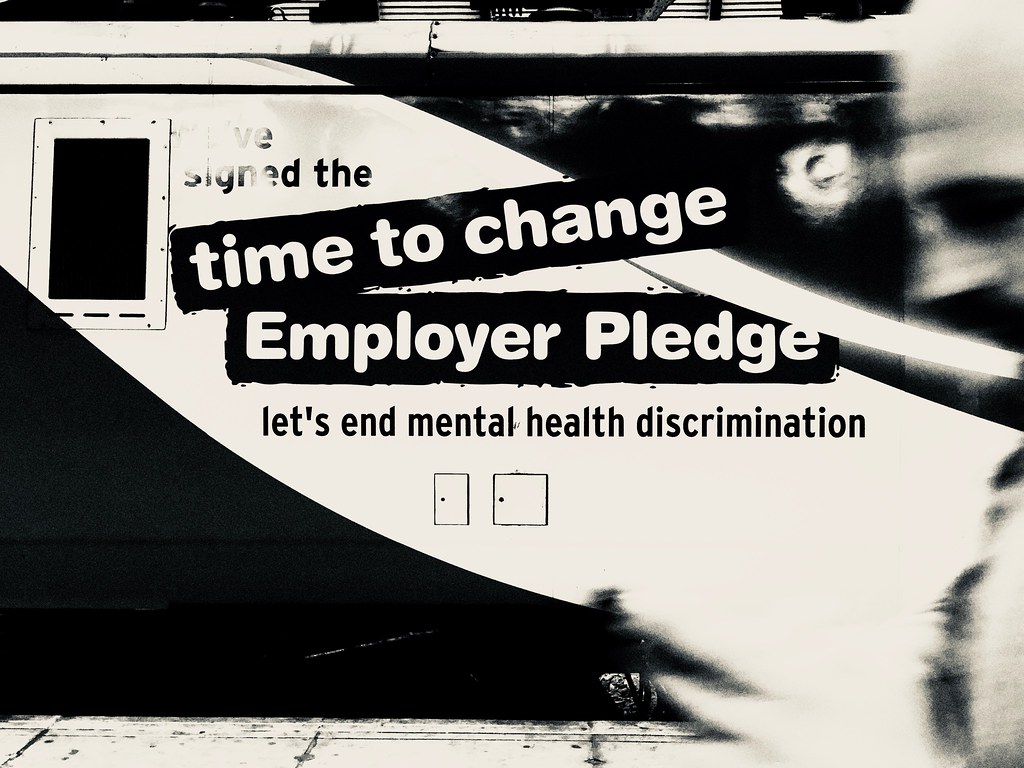
- Focus on Mental Health: The importance of mental health in the workplace may lead to new regulations aimed at safeguarding employee wellbeing.
Overall, the trajectory of the Employment Rights Act indicates a commitment to adapting to modern employment challenges.
By sjpowermac via Openverse
References
Lewis Silkin · Employment Rights Act 2025
Related reading
Overwatch Seasonal Hero Release: The Right Move for Players · Trump Public Charge Rule: Is It Worth the Cost? · Employment Rights Act: Your Complete Guide to AI Impact