
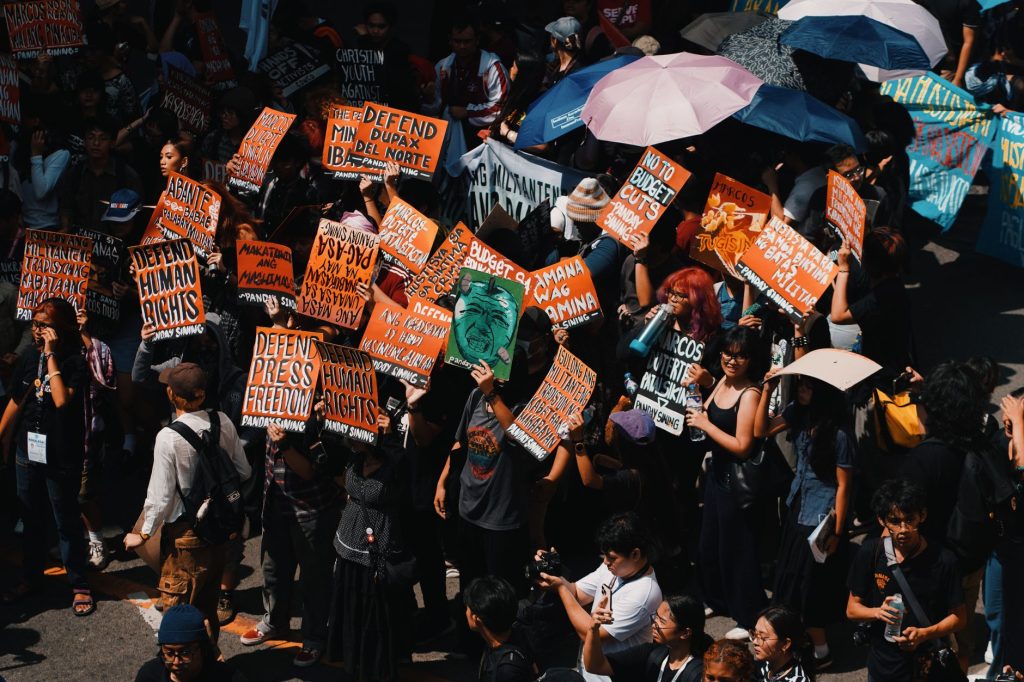
Democracy Activists Bill is now on the assembly floor, sparking significant discussions among lawmakers. The PPP has vowed to filibuster, raising concerns about the bill’s future.
Overview of the Democracy Activists Bill
The recently introduced Democracy Activists Bill aims to strengthen democratic processes and enhance citizen participation in governance. This legislation has been a focal point for numerous advocacy groups and political parties as it seeks to address critical issues affecting democracy today.
Key provisions of the bill include:
- Increased funding for grassroots organizations that promote voter engagement and education.
- Measures to enhance transparency in campaign financing, aiming to reduce the influence of money in politics.
- A framework for protecting whistleblowers who report electoral fraud and corruption.
- Stronger penalties for violations of election laws to ensure accountability.
The bill has garnered widespread support from various sectors, but it faces significant opposition, particularly from the PPP, which has pledged to filibuster the legislation. As discussions continue, advocates remain hopeful that the Democracy Activists Bill will pave the way for meaningful reform.
PPP’s Filibuster Strategy Explained
The Pakistan Peoples Party (PPP) has formulated a strategic approach to counter the impending vote on the Democracy Activists Bill. Their plan, a filibuster, aims to delay the legislative process and provide additional time for debate and scrutiny of the proposed measures.
Key elements of the filibuster strategy include:
- Extended Debate: PPP leaders intend to engage in lengthy discussions, utilizing all available time to voice their concerns about the implications of the bill.
- Mobilization of Support: The party is rallying its members and allies to ensure a strong presence in the assembly, amplifying their stance against the bill.
- Public Awareness Campaign: The PPP is launching initiatives to inform the public about the potential risks associated with the Democracy Activists Bill, seeking to garner public support.
This strategic approach reflects the PPP’s commitment to protecting democratic values while challenging the proposed legislation’s impact on civil liberties.
Implications for South Korean Politics
The introduction of the Democracy Activists Bill has significant implications for South Korean politics, potentially reshaping the landscape of political engagement and activism. As the bill progresses through the legislative process, it raises questions about the balance of power between government authority and citizen participation.
Supporters argue that the bill will empower ordinary citizens, allowing them to engage more actively in democratic processes. This could lead to a more vibrant civil society where diverse voices are heard and considered in decision-making. Conversely, opponents, including the ruling People Power Party (PPP), express concerns that the bill may invite chaos and undermine established political norms.
Moreover, the PPP’s planned filibuster strategy highlights the contentious nature of this legislation. As the Assembly debates the bill, it is clear that the trajectory of political discourse in South Korea is at a crossroads, with the potential to either enhance or hinder democratic participation.
- Increased civic engagement
- Balance of power concerns
- Filibuster as a political strategy
Reactions from Activist Groups
Reactions from various activist groups regarding the Democracy Activists Bill have been notably diverse, reflecting a wide range of opinions on its potential impact. Many activists view the bill as a crucial step towards enhancing democratic practices and protecting civil liberties in South Korea.
In a recent rally, members of the Democracy for All Coalition expressed their support, stating:
- “This bill is essential for ensuring that voices of all citizens are heard and respected.”
Conversely, some groups have raised concerns about the bill, fearing that it could lead to unintended consequences that may undermine existing democratic structures. Citizens United for Justice issued a statement highlighting their apprehensions:
- “While we support reforms, we must be cautious about how they are implemented to avoid any erosion of our rights.”
As the debate intensifies, the Democracy Activists Bill continues to spark discussions on the future of activism and governance in the region.
Historical Context of Similar Bills
The historical context of legislation aimed at empowering democracy activists reveals significant patterns in political maneuvering and public response. Throughout history, similar bills have emerged during periods of political unrest or societal demand for reform. Notably, the Democracy Activists Bill follows this trend, echoing past efforts to strengthen civil rights and promote democratic values.
In the late 20th century, several countries witnessed the introduction of laws designed to protect activists and bolster democratic practices. These initiatives often faced strong opposition from ruling parties, leading to intense debates and, at times, prolonged filibusters. For example, the “Freedom to Protest Act” in 1989 aimed to safeguard citizens’ rights but was met with significant backlash from conservative factions, which feared erosion of authority.
Today, the Democracy Activists Bill stands as a crucial testament to the ongoing struggle for democratic integrity, reminiscent of historical efforts that have shaped the landscape of civil liberties and political engagement globally.
What Happens Next in the Assembly?
As the Democracy Activists Bill advances to the Assembly floor, the next steps are crucial for its future. Lawmakers will engage in debates that could shape the trajectory of the bill, with representatives from various parties voicing their opinions. The ruling party is expected to push for a swift passage, while the opposition, particularly the PPP, has indicated plans to utilize a filibuster strategy to delay proceedings.
Key factors influencing the outcome include:
- Party Alliances: The ability of the ruling coalition to maintain unity in support of the bill.
- Public Opinion: Growing support for democracy initiatives may pressure lawmakers to act favorably.
- Tactical Maneuvers: Strategies employed by both sides during the assembly debates.
Ultimately, the assembly’s decision will not only impact the Democracy Activists Bill but could also redefine the future political landscape in South Korea.
Public Opinion on the Bill
Public opinion regarding the Democracy Activists Bill has become a focal point of discussion amidst the ongoing debate in the assembly. Recent polls indicate that a significant portion of the population supports the initiative, with many believing it is a crucial step toward enhancing democratic freedoms in South Korea.
Supporters of the bill argue that it empowers citizens and provides necessary protections for activists who promote democratic values. Conversely, opponents express concerns about potential misuse of the legislation, fearing it may inadvertently stifle dissent.
The latest survey findings reveal:
- 65% of respondents favor the bill, viewing it as essential for democratic development.
- 20% oppose it, citing fears of government overreach.
- 15% remain undecided, highlighting the ongoing divisiveness of the issue.
As discussions continue, public sentiment will likely play a pivotal role in shaping the future of the Democracy Activists Bill and its impact on South Korean politics.
Photo by Mico Medel on Pexels