









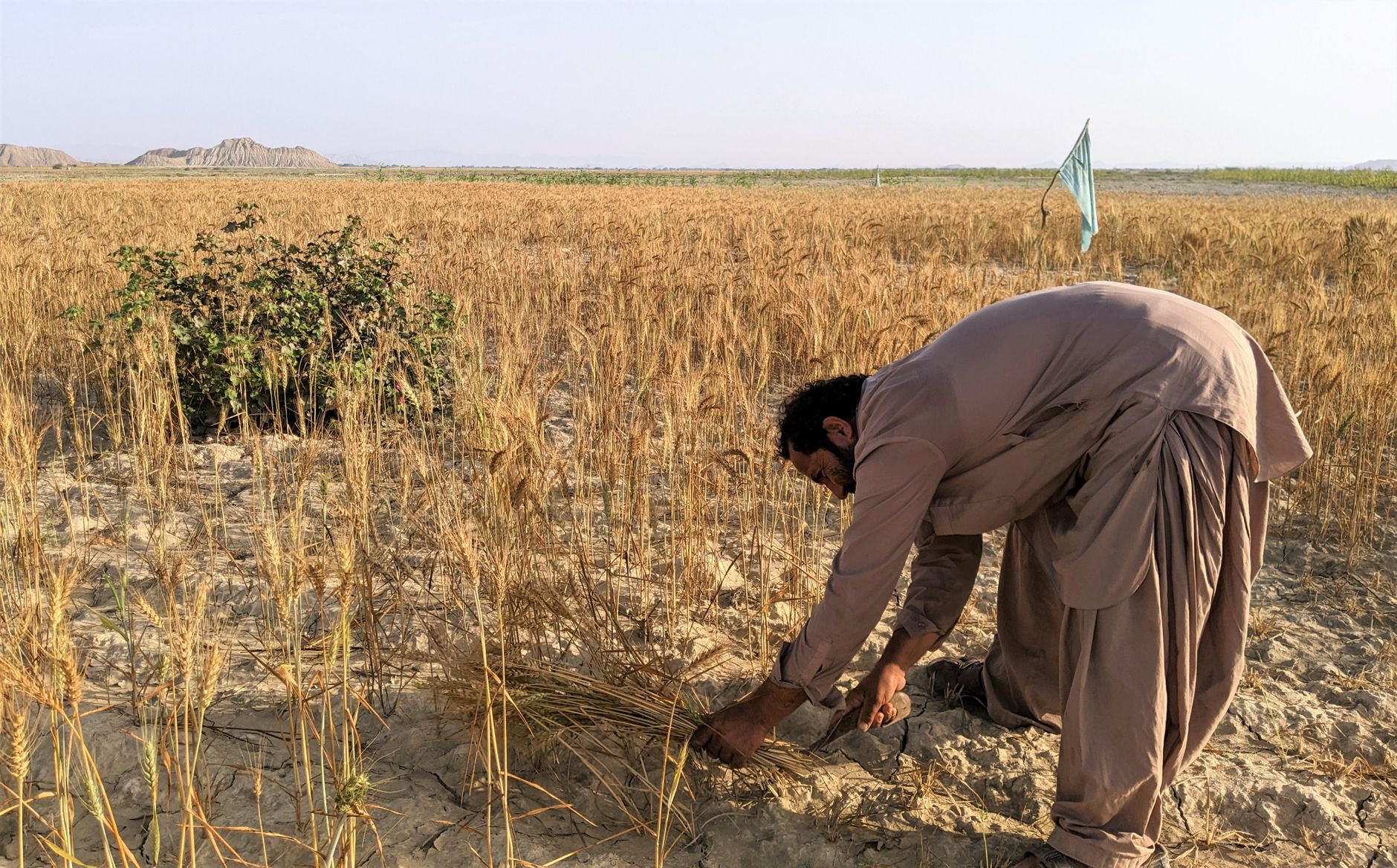
Balochistan activist sentencing has raised serious concerns about human rights in Pakistan. The recent life sentence of Gulzadi Baloch underscores the brutal measures taken against dissenters in the region.
Overview of the Sentencing
The recent sentencing of Balochistan activist Gulzadi Baloch has drawn widespread condemnation and highlighted the ongoing human rights abuses in the region. Balochistan, known for its rich natural resources, has been a focal point of resistance against the Pakistani military’s oppressive regime. The sentencing of Gulzadi Baloch to life imprisonment is seen as a stark reminder of the severe measures taken against those who dare to speak out.
The court’s decision has sparked outrage among local and international human rights organizations, who argue that the trial was marred by a lack of transparency and fairness. Activists have labeled the verdict a blatant attempt to silence dissent and further impose state control over the region. Many believe that the Pakistani authorities are using such sentences as a tool to instill fear among the populace.
In the wake of the sentencing, several protests have erupted across Balochistan, with demonstrators demanding justice and the release of political prisoners. The situation has raised concerns about the future of activism in the area, as many fear that the crackdown on dissent will only intensify.
As the world watches, the plight of Balochistan activists continues to unfold, with the sentencing of Gulzadi Baloch marking another chapter in the struggle for human rights and freedom.
Background on Gulzadi Baloch
Gulzadi Baloch, a prominent activist advocating for the rights of the Baloch people, has become a symbol of the struggle against oppression in Balochistan. Hailing from a family deeply rooted in activism, she has tirelessly fought for the recognition of human rights abuses in the region. Over the years, her efforts have included organizing peaceful protests and raising awareness about the plight of the Baloch community.
Despite the peaceful nature of her activism, the Pakistan Army has consistently targeted Gulzadi and her associates, labeling them as threats to national security. Her recent sentencing to life imprisonment is seen as a direct attack on freedom of expression and a broader campaign to silence dissenting voices in Balochistan. Many believe that this harsh sentence is a tactic to instill fear among other activists and discourage them from continuing their work.
Gulzadi’s case has drawn international attention, with human rights organizations condemning the sentencing as part of a pattern of brutality against those advocating for the rights of the Baloch people. Activists worldwide are rallying to support her and call for her immediate release, stressing that her imprisonment is a reflection of the systemic injustices faced by countless others in the region.
Human Rights Violations in Balochistan
The recent sentencing of Balochistan activist Gulzadi Baloch has once again brought to light the ongoing human rights violations in the region. Activists and organizations have long criticized the Pakistani government and military for their oppressive tactics aimed at silencing dissent. Reports indicate that the brutal treatment of activists is a systematic approach to stifling voices advocating for Baloch rights.
Human rights groups have documented numerous cases of enforced disappearances, torture, and extrajudicial killings in Balochistan. The following points highlight some of the critical issues faced by activists:
- Enforced Disappearances: Many activists have been abducted without a trace, leaving families in despair.
- Torture and Mistreatment: Those who are captured often face severe physical and psychological abuse in custody.
- Intimidation Tactics: The government employs various tactics to instill fear in the population, discouraging activism and advocacy.
- Legal Repression: Activists like Gulzadi Baloch are frequently charged with frivolous offenses to legitimize their imprisonment.
The sentencing of Gulzadi Baloch underscores the urgent need for international attention and intervention to address these human rights violations in Balochistan. It is a grim reminder that the struggle for justice continues amid growing oppression.
Reactions from Activist Groups
Activist groups worldwide have expressed outrage over the recent sentencing of Gulzadi Baloch, highlighting the continued repression faced by human rights defenders in Balochistan. Many organizations, including Amnesty International and the Human Rights Watch, have condemned the verdict, calling it a blatant attempt to silence dissent.
In their statements, these groups emphasized the following points:
- Violation of Free Speech: The sentencing of Gulzadi Baloch is seen as a direct attack on freedom of expression, with activists arguing that critical voices in Balochistan are systematically silenced.
- Call for International Intervention: Many organizations are urging global leaders to take a stand against the human rights violations occurring in Balochistan and to pressure the Pakistani government on this issue.
- Solidarity with Baloch Activists: Various human rights defenders have pledged their support for Gulzadi Baloch, stating that the fight for justice will continue despite the risks involved.
As the news of the sentencing spreads, it has sparked protests in various cities, with activists demanding immediate action and accountability for the injustices faced by those who dare to speak out about the situation in Balochistan.
Legal Implications of the Case
The recent sentencing of Balochistan activist Gulzadi Baloch has raised significant legal implications that reflect ongoing issues within the region’s judicial system. Critics argue that the trial was marred by irregularities and lacked the fundamental principles of a fair legal process.
Firstly, the case highlights concerns regarding due process in Balochistan. Many observers have pointed out that the legal representation afforded to Baloch was inadequate, limiting his ability to defend himself against the charges. The lack of transparency during the trial has also been noted, with reports indicating that key evidence may have been excluded.
Additionally, the sentencing raises questions about the relationship between state security forces and the judiciary. Activists fear that the ruling sets a dangerous precedent for the treatment of dissenters in Balochistan. The harsh sentence may discourage others from voicing their opposition to state policies, leading to a chilling effect on freedom of expression.
Furthermore, the case has the potential to spur international scrutiny of Pakistan’s human rights record, particularly regarding the treatment of activists. As the spotlight continues to shine on Balochistan, the implications of such sentencing could reverberate far beyond the courtroom, drawing attention to the broader issues of governance and civil rights in the region.
International Response to Brutality
The international community has reacted with outrage to the recent sentencing of Balochistan activist Gulzadi Baloch, which many are calling a clear example of state-sponsored brutality. Human rights organizations and foreign governments have condemned the actions of the Pakistani authorities and highlighted the ongoing issues faced by activists in the region.
Amnesty International released a statement urging the Pakistani government to overturn the sentence and release all political prisoners. They emphasized that the sentencing of Gulzadi Baloch is part of a broader crackdown on dissent in Balochistan, where activists are often subjected to arbitrary detention and harsh penalties for advocating for their rights.
Similarly, the United Nations has expressed concern over the human rights violations in Balochistan, calling for an independent investigation into the treatment of activists. They have urged Pakistan to uphold its commitment to international human rights standards and to ensure that activists can operate without fear of persecution.
Furthermore, several foreign governments have echoed these sentiments, with some officials calling for sanctions against those responsible for the ongoing repression. The global outcry highlights the urgent need for accountability in the face of increasing brutality against activists in Balochistan.
Future of Activism in Pakistan
The recent sentencing of Balochistan activist Gulzadi Baloch has raised significant concerns regarding the future of activism in Pakistan. As the brutalities against human rights advocates escalate, many are questioning the viability of peaceful protest and advocacy in the region.
Activists fear that this case could set a dangerous precedent, discouraging others from speaking out against injustices. The implications of such harsh sentences extend beyond the individual; they threaten to stifle the collective voice of dissent in Balochistan and across Pakistan.
Many believe that the sentencing of Gulzadi Baloch is part of a larger strategy to intimidate those who challenge state narratives. This has led to a climate of fear among potential activists, who may now reconsider their roles in advocating for change. The following points highlight key concerns:
- Increased Repression: The severity of the sentencing may lead to further crackdowns on dissent.
- Chilling Effect: Potential activists may hesitate to join movements due to fear of persecution.
- International Isolation: The continued brutality could further isolate Pakistan on the global stage.
As Balochistan activist sentencing continues to draw attention, it is crucial for both local and international communities to unite in support of those fighting for human rights.
The recent Balochistan activist sentencing has ignited widespread outrage among human rights organizations. Many are calling for international intervention in light of the brutal treatment faced by activists in the region following the Balochistan activist sentencing.
Photo by Hanif Ali Baluch on Pexels
References
Is the English judiciary ruling on Salah the Worst Decision? · Australia Working Holiday Visa: What Are the Best Rules? · Russia sanctions law: Is it the worst deal for India?