
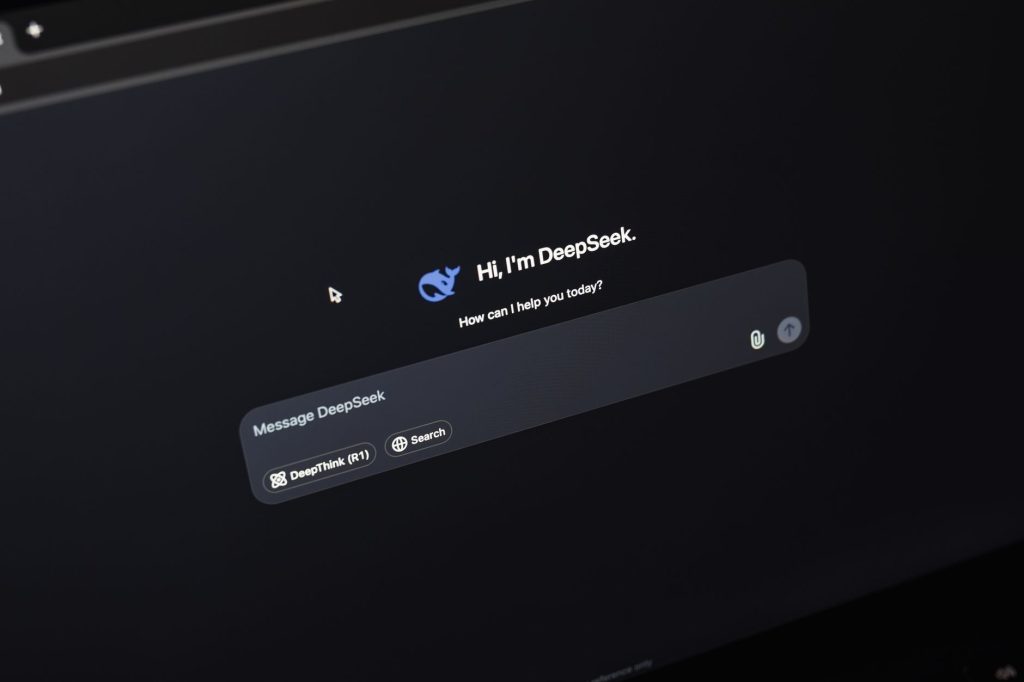
Open Source AI Agents are revolutionizing cybersecurity by providing innovative solutions that emphasize inspection before trust. This approach is crucial for enhancing security protocols.
Understanding Open Source AI in Cybersecurity
Open source AI agents are transforming the landscape of cybersecurity by providing innovative solutions that enhance threat detection and response capabilities. These agents leverage community-driven development, allowing for continuous improvements and rapid updates in the face of evolving cyber threats.
One of the main advantages of open source AI in cybersecurity is its transparency. Organizations can inspect the code to ensure that there are no hidden vulnerabilities or malicious components. This level of scrutiny builds trust among users, as they can verify the integrity of the software they are employing.
Moreover, open source AI agents can be customized to meet the specific needs of different organizations. Security teams can tailor these tools to align with their unique infrastructures and threat landscapes, leading to more effective protection strategies. As a result, the adaptability of open source AI solutions makes them particularly appealing in today’s dynamic cybersecurity environment.
In addition to offering flexibility and trustworthiness, open source AI agents foster collaboration among cybersecurity professionals. By sharing insights and best practices, the community can collectively enhance the effectiveness of these tools, ensuring that organizations are better equipped to combat cyber threats.
Benefits of Using AI Agents
The integration of Open Source AI Agents in cybersecurity strategies offers numerous advantages that can significantly enhance the protection of sensitive data and systems.
One of the primary benefits is the ability to customize solutions to meet specific organizational needs. Since the code is open source, companies can modify the algorithms to better address their unique security challenges.
Additionally, these AI agents can analyze vast amounts of data in real time, identifying potential threats more swiftly than traditional methods. This capability allows organizations to respond to incidents quickly, minimizing damage and downtime.
Furthermore, the collaborative nature of open source projects fosters a community of developers and cybersecurity experts who continuously improve and update the software. This collective effort ensures that the AI agents remain effective against evolving cyber threats.
Businesses also benefit from reduced costs, as many open source solutions are available for free or at a lower price point compared to proprietary software. This democratization of technology allows even smaller organizations to leverage advanced security tools.
In conclusion, using Open Source AI Agents not only improves cybersecurity measures but also promotes innovation and cost efficiency within the industry.
Challenges in Implementing Open Source Solutions
Implementing open source AI agents in cybersecurity presents several challenges that organizations must navigate to fully leverage their potential. While these solutions offer numerous advantages, certain hurdles can impede their adoption and effectiveness.
- Lack of Expertise: Many organizations may not have sufficient in-house expertise to effectively deploy and manage open source AI agents. This can result in underutilization of the technology and missed opportunities for advanced security measures.
- Integration Issues: Open source solutions often require seamless integration with existing systems and processes. Compatibility issues might arise, making it challenging to incorporate AI agents into a cohesive cybersecurity strategy.
- Security Concerns: While open source software promotes transparency, it also exposes vulnerabilities. Organizations must be vigilant in examining the code and ensuring that the open source AI agents are secure from potential threats.
- Community Support: The reliance on community support for updates and troubleshooting can be a double-edged sword. Inadequate support may lead to prolonged downtime or unresolved issues that can compromise security.
Addressing these challenges is essential for organizations to realize the full potential of open source AI agents in enhancing their cybersecurity posture.
How to Evaluate AI Trustworthiness
When considering the integration of Open Source AI Agents into cybersecurity frameworks, evaluating their trustworthiness is crucial. Organizations must adopt a systematic approach to ensure that the AI solutions they implement are reliable and secure. Here are key factors to consider:
- Transparency: Open source tools allow users to inspect the underlying code, promoting transparency. Ensure that the AI agent’s code is accessible and regularly updated.
- Community Support: A strong community can provide invaluable insights and support. Look for AI agents with active forums, contributors, and documentation.
- Reputation: Assess the reputation of the developers and the project. Established projects with a history of successful implementations are generally more trustworthy.
- Testing and Validation: Evaluate the testing processes used. Trustworthy AI agents should undergo rigorous testing to identify vulnerabilities and ensure reliability.
- Compliance: Check for compliance with relevant cybersecurity standards and regulations. This can provide additional assurance regarding their safety and effectiveness.
By carefully assessing these factors, organizations can make informed decisions and adopt Open Source AI Agents that enhance their cybersecurity posture without compromising trust.
Future Trends in Cybersecurity AI
As the landscape of cybersecurity continues to evolve, the emergence of open source AI agents is paving the way for innovative solutions that enhance security protocols. Future trends indicate a significant shift towards more collaborative and transparent AI systems.
With advancements in machine learning and natural language processing, the capabilities of AI agents are expected to expand, allowing them to detect threats with greater accuracy and speed. This proactive approach will enable organizations to respond to cyber risks before they escalate into major incidents.
Moreover, the integration of open source AI agents into existing cybersecurity infrastructures will likely lead to improved interoperability among different security tools. This trend supports the idea that a collective defense strategy can be more effective than isolated efforts.
Another anticipated development is the rise of community-driven initiatives that focus on continuous improvement of AI algorithms. These projects will harness diverse expertise, fostering a more robust cybersecurity environment.
In summary, the future of cybersecurity is poised to be transformed by open source AI agents, making them not only a tool for enhanced protection but also a catalyst for community engagement and innovation in the fight against cyber threats.
Photo by Matheus Bertelli on Pexels