
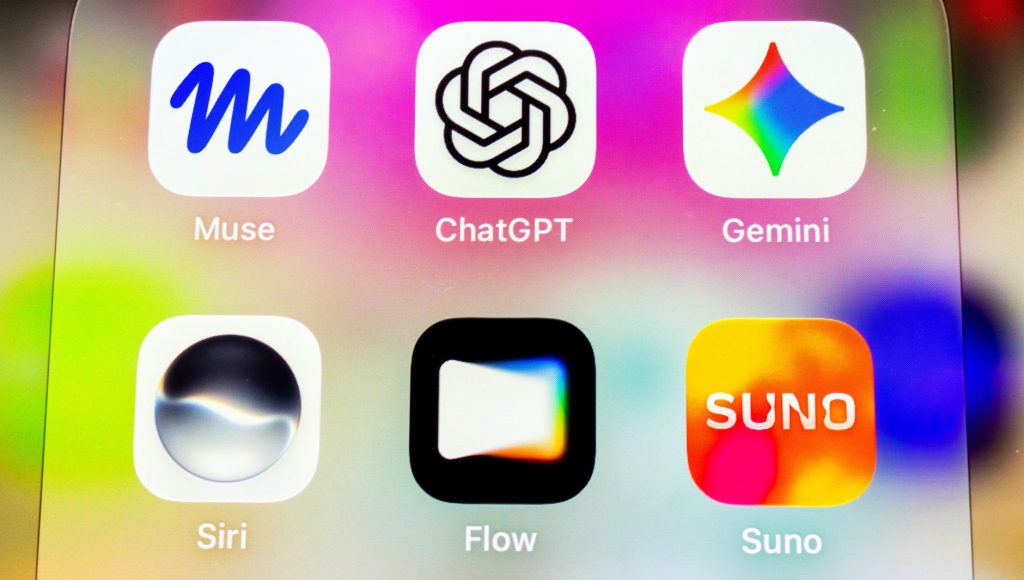
Meta’s Muse AI was my focus for three days, and the experience was eye-opening. However, a strange message made me reconsider my use of the app.
What is Meta’s Muse AI?
Meta’s Muse AI is an advanced artificial intelligence agent developed by Meta Platforms, designed to assist users in various tasks, from answering questions to providing recommendations. The platform aims to create a more interactive and personalized user experience by leveraging machine learning and natural language processing technologies.
This AI agent can be integrated into a variety of applications, enhancing productivity and engagement. Users can interact with Muse AI in a conversational manner, making it feel like a human-like assistant. However, the experience can vary significantly from person to person.
During my three-day trial with Meta’s Muse AI, I encountered numerous issues that raised concerns about its reliability. While it performed well in some tasks, there were moments when the responses were irrelevant or confusing, leading to frustration. The user interface, although sleek, sometimes felt unresponsive, further complicating the interaction.
One of the most unsettling aspects of my experience was receiving a peculiar message from Muse AI that seemed to deviate from the context of our conversation. This unexpected communication made me question the AI’s understanding and intentions, ultimately prompting me to consider deleting the app altogether.
In summary, while Meta’s Muse AI holds promise as a sophisticated assistant, my experience revealed significant flaws that need addressing before it can become a truly reliable tool for users.
My Experience with Muse AI
My experience with Meta’s Muse AI was far from what I had anticipated. Initially, I was excited to engage with the AI, hoping it would offer a seamless and intuitive interaction. However, that hope quickly faded as I encountered a series of frustrating issues.
During the first day, Muse AI struggled to understand my simple requests. I found myself repeating questions multiple times, only to receive irrelevant responses. Each interaction felt like a chore rather than a helpful exchange.
As I continued to use the app, I noticed a pattern of inconsistency in the responses. Sometimes, Muse AI would provide accurate information, but other times, it would completely miss the mark. This lack of reliability was disheartening, especially considering the hype surrounding Meta’s Muse AI.
The turning point came on the third day when I received a strange message that made me question the AI’s capabilities. It seemed to misinterpret my previous queries and followed up with an odd suggestion that had no relevance to our conversation. At that moment, I knew I couldn’t continue using the app.
Ultimately, my experience left me feeling disappointed. I had high expectations for Meta’s Muse AI, but the reality was a confusing and frustrating encounter that led me to delete the app entirely.
The Strange Message Explained
During my brief stint with Meta’s Muse AI, I encountered a peculiar message that left me questioning the entire experience. After three days of interactions, I was expecting a smooth communication flow, but instead, I received a notification that felt oddly out of place. The message read: “Your preferences have been noted. Please adjust your expectations accordingly.” This cryptic statement sent a jolt of confusion through me.
I couldn’t help but wonder what the AI meant by “adjust your expectations.” Was it suggesting that my inquiries were too complex or that I was expecting too much from a virtual agent? The tone seemed dismissive, almost as if Muse AI was telling me that I should lower my standards for what a digital assistant could achieve.
To further complicate matters, I had spent considerable time customizing my interactions, hoping to create a more personalized experience. The sudden shift in tone felt like a stark contrast to the tailored responses I had come to expect. As I reflected on my journey with Meta’s Muse AI, this message became a pivotal moment, prompting me to reconsider my use of the app altogether.
In retrospect, this strange message encapsulated the broader issues I faced during my time with the AI, ultimately leading me to the decision to delete the app.
User Reactions to Muse AI
User reactions to Meta’s Muse AI have been varied, with many expressing frustration and confusion following their interactions with the platform. After the strange message incident, users took to social media and forums to share their experiences.
- Frustration with Performance: Many users reported that the AI often misunderstood their requests, leading to a series of unhelpful responses. One user commented, “I felt like I was talking to a brick wall. It didn’t get what I was saying at all.”
- Concerns About Privacy: Following the strange message, numerous users voiced their concerns over data security. A user stated, “If it’s sending me weird messages, what else is it doing with my information?”
- Mixed Feedback on Functionality: While some praised Muse AI for its potential, others felt it was not ready for widespread use. One user remarked, “It has great ideas, but the execution is lacking. I expected more from Meta.”
- Desire for Improvement: Despite the negative experiences, some users expressed hope for future updates. A comment read, “If they can fix the bugs, Muse AI could be a game-changer.”
Overall, the feedback highlights a significant gap between user expectations and the current capabilities of Meta’s Muse AI, raising questions about its future development and acceptance among consumers.
Comparing Muse AI to Other Agents
When evaluating Meta’s Muse AI against other virtual agents, several key differences emerge that shape the user experience significantly. While many agents prioritize user engagement and seamless interaction, Muse AI often falls short in these areas.
- Responsiveness: Traditional virtual assistants typically provide quick responses to queries, whereas Muse AI sometimes delivers delayed or irrelevant answers, leading to frustration.
- User Interface: Other agents often boast intuitive designs that make navigation easy. In contrast, users have reported that Muse AI’s interface can be clunky and unintuitive, complicating what should be straightforward interactions.
- Personalization: Many competitors excel in tailoring their responses based on user preferences, adapting over time to create a more personalized experience. Muse AI, however, seems to lack this level of customization, resulting in generic interactions that do not resonate with users.
- Support Options: While some agents offer comprehensive support through multiple channels, users have found Muse AI’s support to be lacking, making it difficult to resolve issues or get assistance when needed.
Ultimately, the comparisons highlight that while Meta’s Muse AI has potential, it currently faces significant challenges that can negatively impact user satisfaction. For those seeking a reliable virtual assistant, alternatives may prove to be a better choice.
Is Muse AI Worth Your Time?
When considering whether Meta’s Muse AI is worth your time, the experiences of users can provide crucial insights. After spending three days interacting with the agent, it’s clear that opinions are mixed. Some users appreciate its innovative approach to assistance, while others, like myself, found it to be a frustrating experience.
Here are some factors to consider before diving in:
- User Interface: The design is sleek and modern, making it visually appealing. However, the usability can fall short when seeking specific information.
- Response Time: While Muse AI often responds quickly, the quality of responses can vary significantly. Users might find themselves waiting longer for accurate answers.
- Features: The AI boasts several features aimed at enhancing user interaction. Unfortunately, many of these features may not function as effectively as expected.
- Support: When issues arise, the support system can be lacking, which may deter users from relying on Muse AI for important tasks.
In conclusion, while Meta’s Muse AI attempts to offer a modern solution for information and assistance, potential users should weigh these factors carefully. If you prioritize reliability and efficiency, it might be worth exploring other options.
Final Thoughts on Meta’s Muse AI
In conclusion, my experience with Meta’s Muse AI was far from what I had hoped for. After engaging with the agent for three days, I found myself frustrated and confused rather than assisted. The capabilities that were marketed seemed to fall short in practice, leaving me questioning the reliability and usefulness of the technology.
The strange message I received was a tipping point for me. It not only disrupted my interaction but also made me feel uneasy about the AI’s understanding of context and its ability to provide meaningful support. As I read through user reactions, it became clear that I was not alone in my concerns. Many users echoed similar sentiments, expressing disappointment and confusion about their encounters with Muse AI.
When comparing Muse AI to other agents on the market, it became apparent that there is still a long way to go for this technology. Other platforms seem to offer more coherent and relevant interactions, making them more appealing options for users seeking reliable assistance.
Ultimately, the question remains: Is Muse AI worth your time? Based on my experience, I would advise caution. Until significant improvements are made, users might be better served exploring alternative solutions that provide a more satisfying engagement.
Photo by Caleb Oquendo on Pexels
Read the original
Related reading
Latin America startup funding: Best proven trends for 2023 · Traffic rules in Italy: Easy and Clear Guide for Tourists · Maximum interest rate loans: Clear legal guidelines ahead