
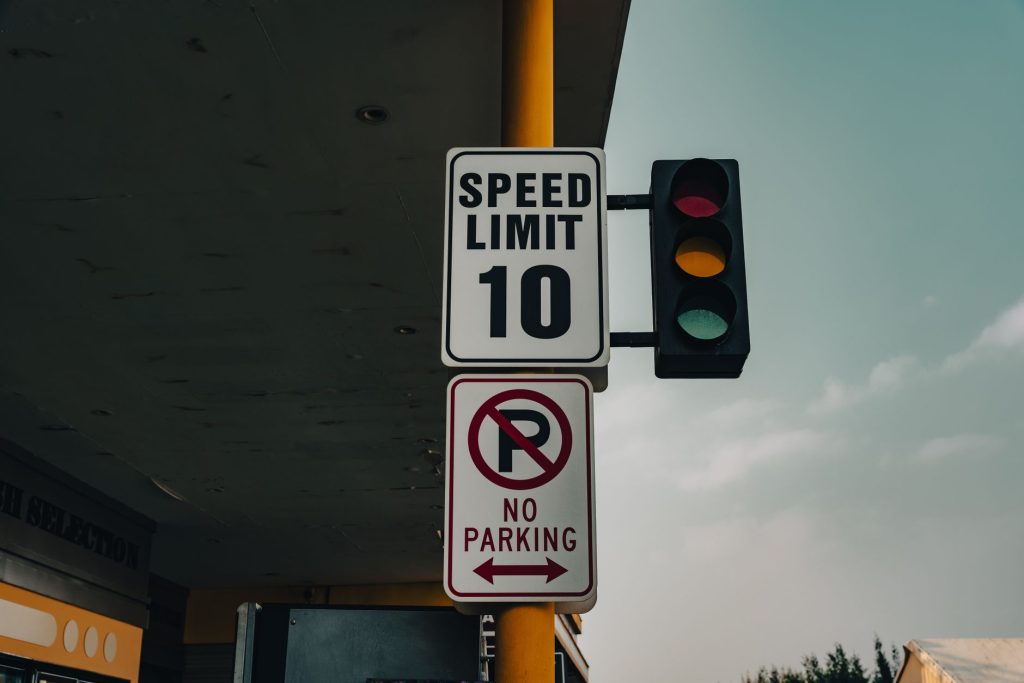
Traffic rules in Italy are changing, and it’s essential for Ukrainian tourists to stay informed. Understanding these new regulations can help ensure a smooth travel experience.
Overview of New Traffic Rules
Italy has recently updated its traffic rules to enhance road safety and streamline driving for both locals and tourists. Understanding these new regulations is crucial for visitors, particularly those unfamiliar with driving in foreign countries. Here’s a brief overview of the changes that tourists need to be aware of.
- Speed Limits: The speed limits have been revised in various zones. In urban areas, the limit is now set at 50 km/h, while on rural roads, it is 90 km/h. On motorways, the maximum speed is 130 km/h, but keep in mind that weather conditions can lower this limit.
- Seat Belts: Seat belts are mandatory for all passengers, not just those in the front seats. Failure to comply can result in hefty fines.
- Mobile Phones: Using mobile phones while driving remains strictly prohibited unless you have a hands-free system. Violating this rule can lead to penalties.
- Alcohol Limits: The legal blood alcohol limit is 0.5 g/l for most drivers, but for novice and professional drivers, it is 0.0 g/l. It’s advisable to avoid drinking altogether when planning to drive.
- Parking Regulations: Make sure to familiarize yourself with parking rules, as parking in unauthorized areas can result in fines or towing.
Being aware of these updated traffic rules in Italy will help ensure a safer and more enjoyable travel experience.
Importance of Understanding Local Laws
Understanding local laws is crucial for anyone traveling to a foreign country, and this is particularly true for driving in Italy. Adhering to traffic rules in Italy can significantly enhance both safety and enjoyment during your trip. Familiarizing yourself with these regulations not only helps you avoid fines but also ensures that you are driving in a way that is respectful of local customs and practices.
When you are aware of the specific traffic rules, you can:
- Navigate unfamiliar roads with greater confidence, reducing the chances of accidents.
- Understand road signs that may differ from those in your home country, ensuring you don’t miss critical information.
- Follow speed limits and other regulations, which can vary significantly from region to region within Italy.
- Respect pedestrian areas and understand the rules about parking, which can be quite strict in urban centers.
Additionally, being informed about local laws can help you engage more authentically with Italian culture. Italians appreciate when visitors show an understanding of their regulations, demonstrating respect for their way of life. Therefore, taking the time to learn about traffic rules in Italy will not only keep you safe but will also enhance your overall travel experience.
Key Changes for Drivers
As tourists navigate the roads of Italy, it is essential to be aware of key changes in traffic rules that may affect their driving experience. These adjustments aim to enhance safety and streamline driving for both locals and visitors alike.
- Speed Limits: The speed limits have been revised to accommodate urban and rural zones more effectively. In urban areas, the limit is now set at 50 km/h, while on highways, it increases to 130 km/h. It is crucial for drivers to adhere to these limits, as penalties for violations have become stricter.
- Use of Mobile Phones: The use of mobile phones while driving has been further restricted. Hands-free devices are mandatory, and any form of distraction can lead to fines. Tourists should prioritize safety by minimizing phone usage when behind the wheel.
- Alcohol Limits: New regulations have been introduced regarding blood alcohol concentration. For most drivers, the limit remains at 0.5 g/l, but for novice drivers and those under 21, a zero-tolerance policy is enforced.
- Pedestrian Zones: Many cities have expanded pedestrian-only zones. Drivers must be vigilant and respect these areas, as entering them can result in substantial fines.
Understanding these key changes in traffic rules in Italy is essential for a safe and enjoyable visit. Tourists should familiarize themselves with local regulations to avoid misunderstandings on the road.
Tips for Ukrainian Tourists
For Ukrainian tourists navigating the roads in Italy, understanding the traffic rules in Italy can enhance both safety and enjoyment during their travels. Here are some essential tips to keep in mind:
- Familiarize Yourself with Road Signs: Italian road signs may differ from those in Ukraine. Make sure to study the common signs, especially those related to speed limits and parking regulations.
- Keep Documents Handy: Always carry your driving license, vehicle registration, and insurance papers. Be prepared to show these documents if stopped by law enforcement.
- Respect Speed Limits: Speed limits are strictly enforced. In urban areas, the limit is usually 50 km/h, while on highways it can go up to 130 km/h. Don’t forget to adjust your speed in adverse weather conditions.
- Drink Driving Laws: Italy has a zero-tolerance policy for drinking and driving. The legal blood alcohol limit is 0.5 g/l, but it is advisable to refrain from consuming alcohol if you plan to drive.
- Parking Regulations: Look for marked parking spaces and pay attention to colored zones. Unauthorized parking can lead to fines or having your vehicle towed.
By following these tips, Ukrainian tourists can confidently navigate the roads and fully enjoy their Italian adventure.
Common Mistakes to Avoid
When navigating the roads in Italy, tourists often make common mistakes that can lead to fines or accidents. Being aware of these pitfalls is essential for a smooth driving experience.
- Ignoring ZTL Zones: Many Italian cities have Limited Traffic Zones (Zona Traffico Limitato) where non-residents are not allowed to drive. Entering these zones without a permit can result in hefty fines.
- Not Adapting to Roundabouts: Italians are known for their unique approach to roundabouts. Always yield to traffic already in the roundabout, as failure to do so can cause confusion and accidents.
- Neglecting Speed Limits: Speed limits vary depending on the type of road. Remember that in urban areas, the limit is typically 50 km/h, while on highways, it can go up to 130 km/h. Familiarizing yourself with these traffic rules in Italy can prevent costly tickets.
- Using a Mobile Phone: Using your phone while driving is strictly prohibited unless you have a hands-free system. This rule is rigorously enforced, and violations can lead to fines.
- Failing to Park Properly: Always park in designated areas and pay attention to parking signs. Illegally parked cars can be towed or fined, disrupting your travel plans.
By avoiding these common mistakes, tourists can ensure a safer and more enjoyable journey through Italy.
What to Do in Case of an Accident
In the unfortunate event of an accident while driving in Italy, it is crucial to follow specific steps to ensure safety and compliance with local traffic rules. Here’s what to do:
- Stay Calm: Take a deep breath and assess the situation. Ensure that you and any passengers are safe.
- Check for Injuries: If anyone is injured, call emergency services immediately by dialing 112.
- Move to Safety: If possible, move your vehicle to a safe location to avoid obstructing traffic.
- Document the Scene: Take photos of the accident scene, vehicle damage, and any relevant road signs or signals. This documentation can be valuable for insurance claims.
- Exchange Information: Obtain contact and insurance details from the other driver(s) involved. Be sure to collect names, addresses, phone numbers, and license plate numbers.
- Contact Your Insurance: Notify your insurance company about the accident as soon as possible to initiate the claims process.
- Do Not Admit Fault: Never admit blame at the scene, as this may complicate the situation later on.
Understanding these steps is essential for navigating the aftermath of an accident and adhering to traffic rules in Italy. Being prepared can help alleviate stress and ensure that you handle the situation effectively.
Resources for Further Information
For tourists planning to drive in Italy, understanding the traffic rules in Italy is crucial for a safe and enjoyable experience. To help you navigate the complexities of these regulations, several resources are available that provide up-to-date information and assistance.
Here are some valuable sources to consider:
- Official Government Websites: The Italian Ministry of Infrastructure and Transport offers comprehensive guidelines on road safety, licensing, and local traffic laws.
- Tourist Information Centers: Located in major cities and tourist hotspots, these centers provide brochures and advice on the latest traffic regulations and safe driving practices.
- Automobile Clubs: Organizations like the Automobile Club d’Italia (ACI) provide resources for drivers, including maps, travel advice, and information on road conditions.
- Mobile Apps: Various applications can alert users to traffic updates, speed limits, and parking regulations. Popular options include Waze and Google Maps.
- Local Driving Schools: Many offer short courses for tourists, covering essential traffic rules and driving etiquette specific to Italy.
By utilizing these resources, tourists can ensure they are well-informed of the traffic rules in Italy, enhancing their travel experience and promoting road safety.
Conclusion and Final Thoughts
In conclusion, understanding the traffic rules in Italy is essential for a safe and enjoyable driving experience. As we’ve explored, Italy’s traffic regulations may differ significantly from those in other countries, making it crucial for tourists, especially those from Ukraine, to familiarize themselves with these laws. This knowledge not only ensures compliance but also enhances road safety for all.
Throughout this guide, we have highlighted the importance of grasping local laws, the key changes for drivers, and the common mistakes to avoid. Adhering to these traffic rules can prevent misunderstandings and potential accidents. Additionally, knowing what to do in case of an accident can make a stressful situation more manageable.
For travelers planning to drive in Italy, it is advisable to stay updated with the latest regulations and local driving customs. Here are a few final reminders:
- Always carry necessary documents: Keep your driver’s license, insurance, and vehicle registration handy.
- Be mindful of speed limits: Pay attention to signs, as limits can vary in different areas.
- Respect pedestrian zones: Many cities have restricted areas where driving is prohibited.
- Utilize GPS for navigation: This can help you avoid unfamiliar routes and reduce stress.
By following these guidelines and remaining aware of the traffic rules in Italy, tourists can navigate the roads with confidence.
Understanding the traffic rules in Italy is essential for a safe driving experience while exploring the beautiful landscapes. This guide will help you navigate the traffic rules in Italy, ensuring you are well-prepared for your journey.
Photo by ZhiCheng Zhang on Pexels
Where this came from
Related reading
Maximum interest rate loans: Clear legal guidelines ahead · India data centre capacity: Clear impact on power demand · Muse Wonder AI Model: The Smart Challenge to OpenAI