









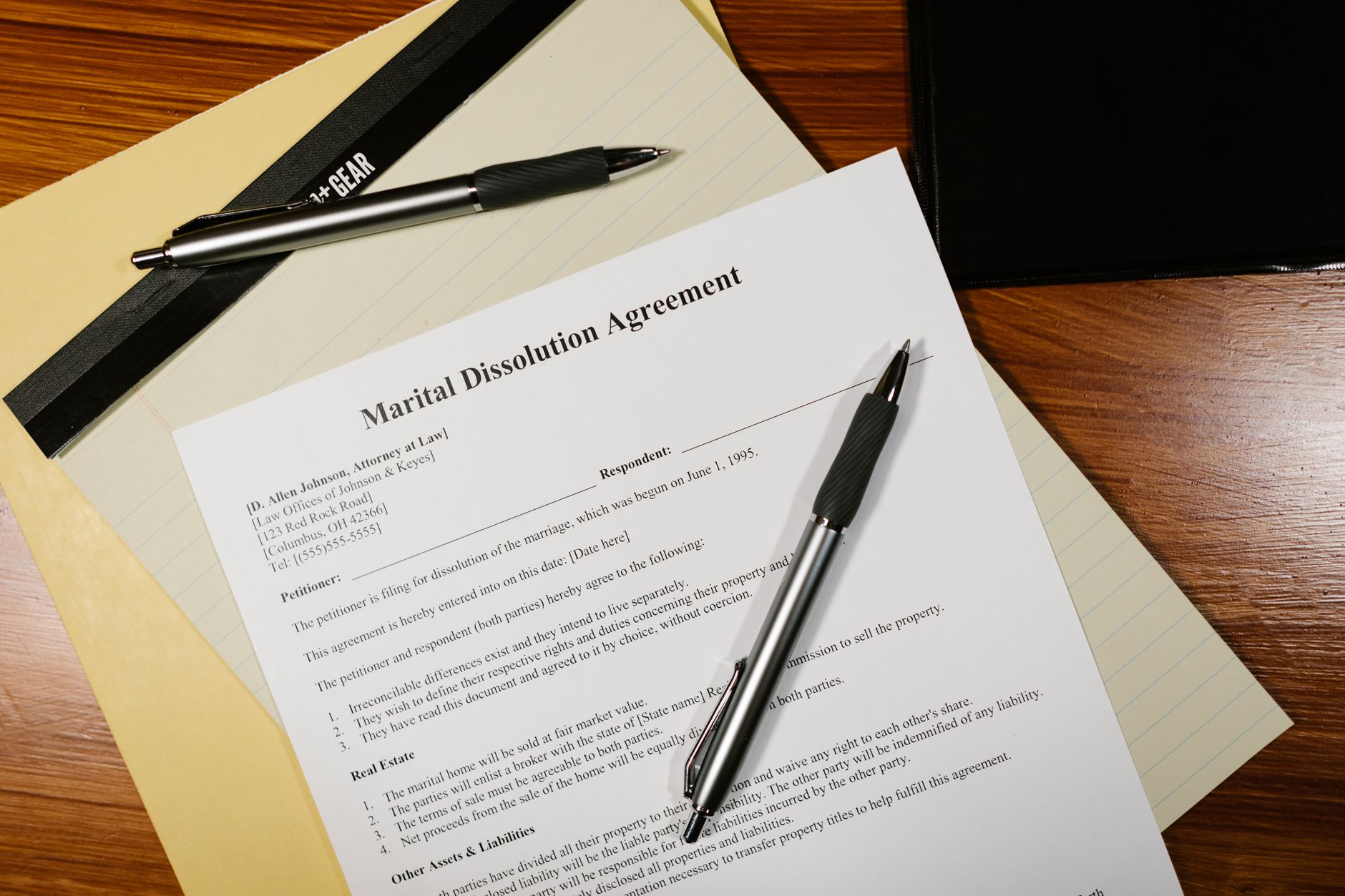
NC divorce laws are at the forefront of a new movement led by social media star Jen Hamilton, who aims to advocate for significant changes in the state’s legal framework.
Overview of NC Divorce Laws
The state of North Carolina has specific regulations governing divorce, known as NC divorce laws. These laws outline the process for couples seeking to dissolve their marriage, including requirements for separation and grounds for divorce.
Currently, North Carolina mandates a one-year separation period before a couple can file for divorce, which many argue is outdated. In recent discussions, social media personality Jen Hamilton has proposed changes aimed at streamlining this process. Her suggestions focus on:
- Reducing the separation time required
- Implementing a more equitable distribution of assets
- Enhancing support systems for families during the divorce process
Hamilton’s advocacy highlights the need for a reevaluation of NC divorce laws to better reflect the needs of modern couples, aiming to create a fairer and more efficient legal framework.
Why Jen Hamilton is Advocating for Change
Jen Hamilton, a prominent social media personality, is advocating for changes to NC divorce laws, driven by her personal experiences and a desire for reform. She believes that the current legal framework does not adequately support families going through the emotional turmoil of separation.
Hamilton highlights several key issues that need addressing:
- Lengthy Process: The duration of divorce proceedings can exacerbate stress for families.
- Financial Burden: The costs associated with legal fees can be overwhelming, particularly for single-income households.
- Lack of Support: There is a need for better resources and counseling services for individuals navigating divorce.
Through her platform, Hamilton aims to raise awareness and gather support for a more compassionate approach to NC divorce laws, ensuring that they reflect the realities faced by families today.
Impact of Current Divorce Laws in NC
The impact of current divorce laws in NC has been a topic of considerable debate, with many individuals expressing concerns over the existing framework. The lengthy and often complex process can lead to emotional strain on families, especially when children are involved.
Many argue that the current NC divorce laws do not adequately address the needs of modern families, resulting in prolonged disputes and financial burdens. As a result, individuals often find themselves caught in a system that prioritizes legal procedures over emotional well-being.
Furthermore, the lack of clarity around certain legal terms can create confusion, making it challenging for couples to navigate the divorce process effectively. Advocates, including Jen Hamilton, believe that by reforming these laws, families will experience a more streamlined and supportive approach to divorce, ultimately fostering healthier transitions during difficult times.
Public Reaction to Proposed Changes
The proposed changes to NC divorce laws by Jen Hamilton have sparked a wide range of reactions from the public. Many individuals have taken to social media to express their opinions, with some supporting the changes as a necessary evolution of outdated regulations.
Supporters argue that the current divorce laws in North Carolina do not adequately address the complexities of modern relationships, particularly for younger couples. They believe that Hamilton’s suggestions could provide a fairer process for those seeking to dissolve their marriages.
On the other hand, a segment of the population remains skeptical, fearing that changes might lead to unintended consequences, such as a rise in frivolous divorces. Critics argue that maintaining certain restrictions is essential to protect families and children involved in these situations.
Overall, the conversation around NC divorce laws continues to grow, with many eager to see how Hamilton’s proposals will unfold in the legislative process.
Legal Experts Weigh In
Legal experts have expressed their opinions on the proposed changes to NC divorce laws advocated by social media star Jen Hamilton. Many believe that the current framework is outdated and does not adequately address the complexities of modern relationships.
One attorney highlighted the need for reforms that reflect contemporary family dynamics, stating, “The existing laws can often lead to prolonged disputes, which are emotionally and financially draining for families.”
Another expert noted that simplifying the divorce process could expedite resolutions, reducing the burden on the court system. “A streamlined approach would benefit not only the couples involved but also the overall efficiency of legal proceedings,” they remarked.
As discussions continue, the focus remains on how these changes could create a more equitable system for all those affected by divorce in North Carolina.
Potential Benefits of Reforming Divorce Laws
Reforming NC divorce laws could bring about several potential benefits for couples navigating the emotional and financial challenges of separation. By implementing more equitable guidelines, the proposed changes aim to create a smoother transition for families experiencing divorce.
Some of the notable advantages include:
- Reduced Conflict: Streamlined processes may help minimize disputes between separating parties, fostering a more amicable environment for co-parenting.
- Increased Fairness: Updated laws could ensure a more balanced distribution of assets and responsibilities, addressing the needs of both partners.
- Supportive Resources: Enhanced access to counseling and mediation services may provide crucial support for individuals facing divorce.
- Financial Stability: Reforms could lead to clearer financial guidelines, helping families better plan for their future post-divorce.
Overall, these changes could positively impact countless lives in North Carolina.
Next Steps for Advocacy
As Jen Hamilton continues her advocacy for reforming NC divorce laws, the next steps involve mobilizing public support and engaging with lawmakers. Her campaign aims to highlight the importance of these changes and their potential to improve the lives of countless families in North Carolina.
To further this cause, Hamilton plans to:
- Launch a petition: Gathering signatures from residents who support changes to NC divorce laws.
- Host community forums: Providing a platform for individuals to share their experiences and discuss the impact of current laws.
- Engage with lawmakers: Setting up meetings with state representatives to present the case for reform.
By fostering community involvement and maintaining dialogue with decision-makers, Hamilton hopes to create a lasting impact on NC divorce laws that benefits everyone involved.
How to Support the Movement
Supporting the movement for reforming NC divorce laws can make a significant difference in the lives of many individuals facing divorce. Here are several ways you can get involved:
- Educate Yourself: Familiarize yourself with current NC divorce laws and the proposed changes advocated by Jen Hamilton.
- Spread Awareness: Use social media platforms to share information about the movement, encouraging others to join the cause.
- Engage with Legislators: Reach out to local representatives, expressing your support for the proposed changes and advocating for their implementation.
- Participate in Events: Attend community meetings or rallies that focus on divorce law reform, showing solidarity with those affected.
- Share Personal Stories: If comfortable, share your own experiences with divorce to highlight the need for change in NC divorce laws.
Every action counts, and together, we can foster a more supportive legal environment for families in North Carolina.
Photo by RDNE Stock project on Pexels
Read the original
You might also like
Indus Waters Treaty enforcement: The Wrong Approach to Ruling · India NZ FTA: Is it the Best Deal for Trade? · Is the Labour Law Overhaul the Right Move for Workers?