









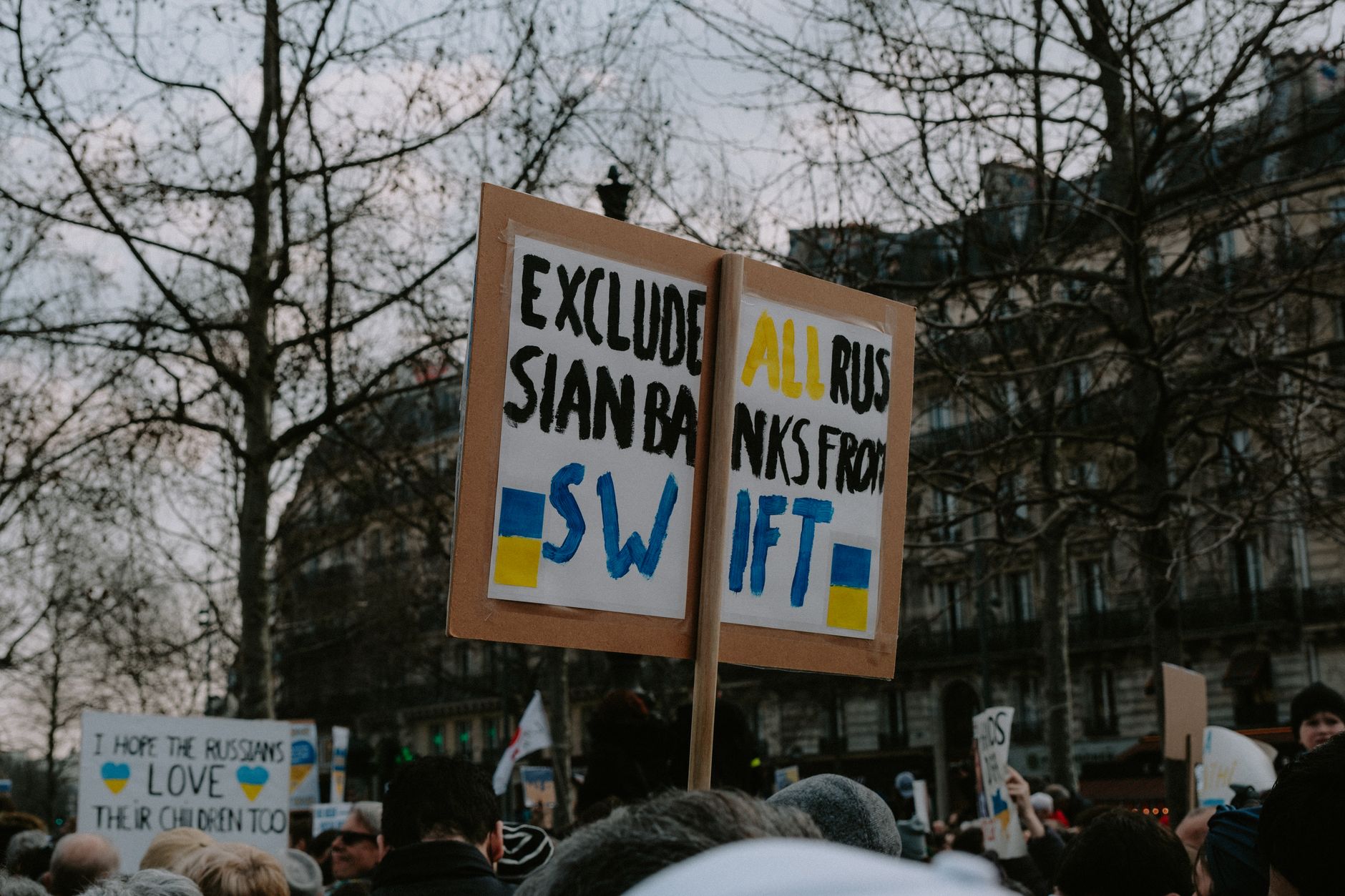
The Russia sanctions law has left India in a precarious position. As the geopolitical landscape shifts, New Delhi finds itself navigating complex legal and diplomatic challenges.
Understanding the Russia Sanctions Law
The recent Russia sanctions law has sparked significant debate regarding its implications for India. While the law is primarily aimed at countries that engage with Russia, its effects ripple down to New Delhi, putting India in a complex position.
Understanding the nuances of the sanctions law is crucial for assessing its impact. Key elements include:
- Targeted Sectors: The sanctions focus on industries that are pivotal to Russia’s economy, including energy and defense.
- Geopolitical Strategy: The law is seen as part of a broader strategy to deter nations from maintaining ties with Russia amid ongoing tensions.
- Potential Consequences: India risks facing secondary sanctions, which could adversely affect its economic interests and partnerships.
This law places India in a precarious position, as it seeks to balance its long-standing relationship with Russia while navigating the expectations of the United States. The situation raises questions about India’s foreign policy and its ability to maintain strategic autonomy in an increasingly polarized global landscape.
Ultimately, the Russia sanctions law challenges India to reassess its diplomatic approach, ensuring it does not become collateral damage in a larger geopolitical game.
Impact of Sanctions on India
The recently enacted Russia sanctions law has raised concerns regarding its potential impact on India’s geopolitical landscape. As New Delhi navigates its relationship with Moscow, the implications of these sanctions could be far-reaching.
Firstly, the law complicates India’s defense procurement. A significant portion of India’s military equipment is sourced from Russia. The possibility of sanctions affecting these transactions could undermine India’s military readiness and strategic autonomy.
Additionally, the economic repercussions cannot be overlooked. India has substantial trade relations with Russia, particularly in energy. The enforcement of these sanctions may disrupt energy supplies, leading to increased costs and instability in the energy sector.
Moreover, the Russia sanctions law may compel India to reassess its foreign policy strategies. Aligning too closely with Russia could alienate India from Western partners, particularly the United States. This precarious balancing act could leave New Delhi vulnerable to diplomatic pressures.
In summary, while the Russia sanctions law is not directly aimed at India, its ramifications could place New Delhi in a challenging position, requiring careful navigation of both its historical ties and contemporary geopolitical realities.
Legal Implications for New Delhi
The recent Russia sanctions law has raised significant legal implications for New Delhi as it navigates its diplomatic relations. The legislation, while not explicitly targeting India, operates within a framework that could severely affect India’s strategic interests.
One of the primary concerns is the potential for secondary sanctions, which could impose restrictions on Indian entities engaging in trade with Russia. This situation presents a complex legal landscape where Indian companies must tread carefully to avoid penalties.
The following points outline the key legal implications for New Delhi:
- Compliance Risks: Indian businesses face heightened compliance risks as the law increases scrutiny on transactions involving Russian entities.
- Investment Uncertainty: The legal environment surrounding India-Russia investments may become precarious, leading to reluctance from investors.
- Diplomatic Tensions: Navigating the sanctions may strain India’s relationships with both Russia and the United States, complicating diplomatic negotiations.
- Legal Recourse: Indian firms may need to seek legal recourse or guidance to mitigate risks stemming from the sanctions law.
As New Delhi grapples with these challenges, the implications of the Russia sanctions law will likely shape India’s foreign policy decisions in the coming years.
Responses from the Trump Administration
The responses from the Trump Administration regarding the Russia sanctions law have sparked significant debate in India. Officials have emphasized that the law is not specifically aimed at India, yet its implications for New Delhi’s diplomatic and trade relations are profound.
One of the key points made by the Administration is the potential for sanctions to serve as a tool for influencing India’s foreign policy decisions. This has raised concerns among Indian policymakers about the sovereignty of their strategic choices. In a statement, a senior official noted, “The intention is to deter nations from engaging with Russia, but we recognize India’s unique position.”
Moreover, the Administration has indicated a willingness to engage in dialogue with India to address concerns arising from the Russia sanctions law. Officials have suggested that India could explore alternatives to mitigate the impact of sanctions on its economy. “We hope to work collaboratively with India to ensure that its interests are safeguarded,” remarked a spokesperson.
- India’s reliance on Russian defense imports remains a critical issue.
- The need for diversification in energy sources has been highlighted.
- Strategic partnerships with the U.S. are being reevaluated.
As the situation evolves, New Delhi finds itself navigating a complex geopolitical landscape influenced by the Russia sanctions law.
Future of India-Russia Relations
The future of India-Russia relations appears increasingly complex in light of the newly enacted Russia sanctions law. Analysts suggest that while the law is primarily aimed at deterring Russia’s geopolitical maneuvers, it inadvertently places India in a precarious position. As India seeks to maintain a robust partnership with Russia, recent developments could jeopardize longstanding ties.
India’s reliance on Russian defense systems and energy supplies complicates matters further. The sanctions could limit India’s ability to engage in essential defense collaborations, potentially leading to a shift in strategic alliances. This has raised concerns among Indian policymakers about the sustainability of defense procurement from Russia under the looming threat of US penalties.
Moreover, the economic ramifications of the sanctions are significant. India must navigate a delicate balance between maintaining its relationship with Russia while adhering to US demands. As the global landscape evolves, India may find itself reassessing its foreign policy priorities.
In conclusion, the Russia sanctions law presents a formidable challenge for India, compelling it to reassess its strategic options and diplomatic initiatives in a rapidly shifting geopolitical environment.
Photo by Mathias Reding on Pexels