




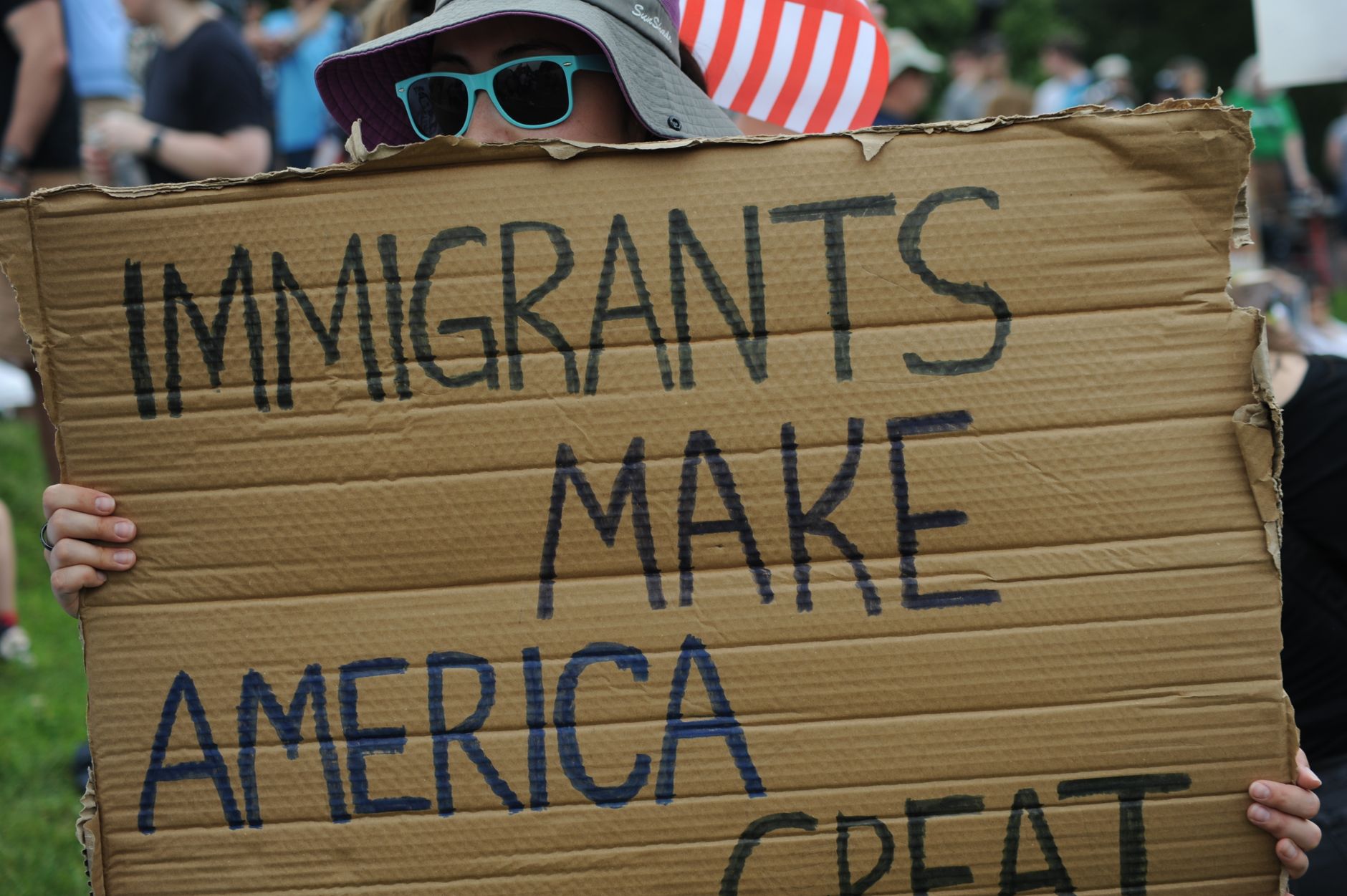
Immigration rule change is at the center of a significant lawsuit filed by the city and state against the Trump administration. The legal battle highlights the potential dangers posed by these new regulations.
Overview of the Immigration Rule Change
The recent immigration rule change proposed by the Trump administration has sparked significant controversy and concern among city and state officials. This new policy could have dire consequences for vulnerable populations, particularly affecting immigrants seeking refuge and safety in the United States.
Critics argue that the rule change will lead to increased fear and uncertainty, forcing many individuals to avoid seeking necessary medical care and legal assistance. The implications of this shift are far-reaching, with advocates warning that:
- Access to healthcare may be severely restricted, putting lives at risk.
- Families could be torn apart as deportations increase.
- Communities may face heightened tensions and fear, impacting overall public safety.
Moreover, legal challenges have emerged as cities and states band together to fight against these changes, citing potential violations of human rights and public welfare. The stakes are high, with many emphasizing that the immigration rule change could lead to real and tragic consequences for those most in need of support and protection.
Key Players in the Lawsuit
The recent immigration rule change has drawn significant attention as key players emerge in the lawsuit against the Trump administration. This legal challenge reflects deep concerns over the potential consequences of the new regulations.
Among the prominent figures involved in the lawsuit are:
- City Officials: Leaders from major cities argue that the changes threaten public safety and well-being, particularly for vulnerable populations.
- State Attorneys General: Several states have joined the legal battle, highlighting the broader implications of the immigration rule change on their communities.
- Advocacy Groups: Organizations focused on immigrant rights are actively supporting the lawsuit, emphasizing the detrimental effects on families and individuals seeking a better life.
- Legal Experts: A team of attorneys specializing in immigration law has stepped forward to provide their expertise, arguing that the changes violate existing laws and regulations.
As the lawsuit progresses, the collaboration among these key players underscores the urgency and seriousness of the situation, with many warning that the stakes are incredibly high for those affected.
Potential Impact on Communities
The recent immigration rule change could have devastating effects on communities across the nation. Advocates warn that the alterations may lead to increased fear and anxiety among immigrant populations, which could deter individuals from seeking essential services.
Experts highlight several potential impacts:
- Healthcare Access: Many immigrants may avoid medical care due to fears of deportation, leading to public health risks.
- Economic Consequences: Local businesses that rely on immigrant labor could face labor shortages, ultimately affecting the economy.
- Community Division: The rule change could exacerbate tensions between immigrant and non-immigrant communities, leading to increased discrimination and social discord.
- Educational Setbacks: Children in immigrant families may experience disruptions in their education if their parents face legal challenges or deportation.
As cities and states challenge the immigration rule change in court, the broader implications for community cohesion and safety remain a significant concern. Many fear that the consequences of this policy shift could be irreversible, leaving lasting scars on vulnerable populations.
Legal Arguments Presented
As the lawsuit challenging the recent immigration rule change unfolds, legal arguments have taken center stage, highlighting the profound implications for vulnerable populations. Advocates argue that the rule disproportionately affects low-income families and individuals seeking refuge in the United States.
Among the primary legal arguments presented are:
- Violation of Administrative Procedure Act: Opponents claim that the immigration rule change was implemented without proper public notice or comment, violating established legal processes.
- Impact on Public Health: Legal teams assert that the rule could lead to increased public health risks, as immigrants may avoid seeking medical assistance due to fears of deportation.
- Constitutional Rights: The argument emphasizes that the rule undermines fundamental rights, including the right to family unity, which could lead to tragic outcomes.
Legal experts note that these arguments not only question the legality of the immigration rule change but also its ethical implications. As the case progresses, the outcome could set a significant precedent for future immigration policies and their enforcement.
Public Reaction and Concerns
The recent immigration rule change has sparked significant public reaction and raised numerous concerns among various communities. Many advocates argue that this alteration could lead to severe consequences for vulnerable populations who depend on timely access to essential services.
Local residents have taken to social media platforms to express their fears, stating that the changes could exacerbate existing issues related to healthcare, safety, and education. A coalition of community organizations has pointed out that the rule may discourage immigrants from seeking medical assistance, with some warning that “people could die” as a result of fear surrounding the new regulations.
Furthermore, several town hall meetings have been organized to discuss these issues, with attendees voicing their apprehensions about potential increases in family separations and deportations. Many community leaders fear that the immigration rule change will not only affect individuals directly but will also create a ripple effect, impacting local economies and social cohesion.
In light of these concerns, calls for legislative action are growing louder, emphasizing the need for a comprehensive approach to immigration that prioritizes human rights and community welfare.
Next Steps in the Legal Proceedings
As the legal proceedings surrounding the immigration rule change continue to unfold, several crucial next steps are on the horizon. The plaintiffs, which include city and state officials, are preparing to present their case in court, arguing that the new regulations pose significant threats to public safety and community health.
The court will conduct hearings to evaluate the merits of the lawsuit, focusing on the potential violations of federal law and the constitutional rights of affected individuals. Legal experts believe that the outcome of these hearings could set a precedent for future immigration policies.
Additionally, the plaintiffs are expected to call upon various witnesses, including community leaders and healthcare professionals, to provide testimony about the real-world implications of the immigration rule change. The impact on vulnerable populations will be a significant focal point in this testimony.
As the case progresses, both sides will also prepare for possible appeals, indicating that this legal battle could extend for months or even years. The stakes are high, with many advocating that the consequences of this immigration rule change could be dire for countless individuals across the nation.
Photo by Germar Derron on Pexels